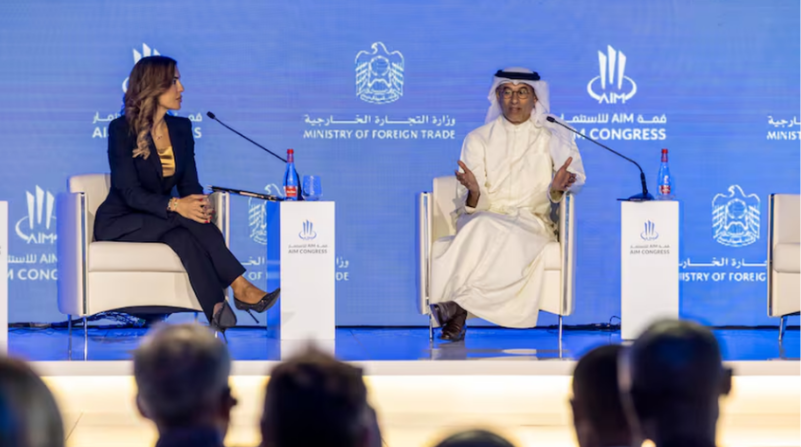
DUBAI — A massive wave of completed homes scheduled to hit Dubai in 2027 will steady property values without triggering a price collapse, Emaar Properties founder Mohamed Alabbar said at the AIM Congress.
Alabbar countered forecasts predicting sharp market drops, arguing that incoming residential handovers will curb double-digit inflation and help normalize day-to-day transaction activity across the emirate.
"I'm thinking ready for 2027? A lot of supply come in, so people will get nice balances," Alabbar told attendees.
The remarks follow four years of aggressive expansion across Dubai, where off-plan transactions and population influxes pushed both sales figures and rents to record levels. While some brokerages forecast drops reaching 15% as pipeline completions peak, Alabbar labeled those numbers unrealistic.
He acknowledged that a minor adjustment of 5 to 10% could materialize if regional instability, specifically US-Iran friction, drags on, but dismissed expectations of a broader downturn.
High living expenses and elevated commercial overhead directly hurt Dubai's appeal to expatriates, Alabbar noted. In his view, cooling current price surges benefits the broader economy because building companies already collect healthy margins.
Emaar Rejects Price Cuts
External political events and inventory concerns have prompted several competing UAE developers to discount units between 20% and 50% to secure buyers.
Alabbar ruled out similar moves for Emaar.
"Right now, we have developers who are giving 50% discount, 20% discount. We give no discount," he stated.
Alabbar argued that steep markdowns damage the equity of past buyers and betray balance-sheet weakness. Because Emaar relies on large cash holdings, low debt, and vast land banks, it will keep prices level and depend on its delivery record to close sales.
Construction Pipeline and Buyer Cancellations
Emaar currently has 90,000 homes under construction across 18 countries, including about 50,000 in the UAE.
Alabbar cited recent sales numbers to illustrate buyer reactions during regional military escalations. In normal months, Emaar records roughly 700 cancellations alongside 2,500 sales. When regional tensions peaked, cancellations jumped to 1,100 per month. Once fighting paused, monthly dropouts fell to 550, below standard averages.
"Don't worry about cancellation. That's just how we do things," Alabbar said, describing the temporary jump as routine project turnover.
While regional uncertainty dampened hotel occupancy and visitor spending, baseline demand for Dubai apartments and villas held firm.
Long-Term Strategy
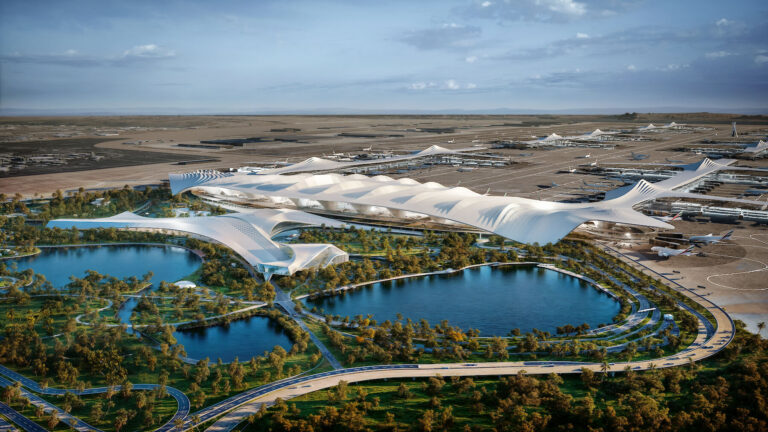
Emaar continues to allocate money toward major domestic construction. The company recently committed to a $55 billion project intended for 150,000 occupants, combining residential plots, office space, and road networks.
The initiative supports Dubai's D33 economic program, which seeks to double the city's economic output and attract fresh workers over the coming decade.
For property buyers and lenders tracking project timelines, Alabbar placed the 2027 handover wave in perspective: the arriving properties will not crash developer pricing, but will instead slow down speculation and establish a level footing for the market.