

Dubai's property market advances quickly, and its documentation carries a vocabulary of its own. A single acquisition can involve the Dubai Land Department, an Ejari record, an Oqood certificate and three lettered broker forms. Each carries a fixed legal meaning. Whether you are buying your first apartment, renewing a lease or building a portfolio from overseas, these terms decide what you sign and what you owe.
Why Dubai Property Terms Matter Before You Sign
Dubai real estate terminology is not decoration. Each term corresponds to a specific document, a specific authority and, in most cases, a specific fee. Consider one frequent error. Buyers who confuse an Oqood certificate with a title deed believe they own a finished home. They hold an interim registration for a building still under construction.
A tenant who knows what Ejari does can challenge an unfair renewal. A buyer who verifies a broker's BRN before paying a deposit avoids the emirate's most common form of property fraud. Terminology is your first layer of due diligence.
One qualification before we begin. Fees, thresholds and procedures change through DLD circulars and Dubai Municipality updates. Treat the figures here as a working reference. Confirm current rates with the authority or your agent on the day itself.
Government and Regulatory Bodies in Dubai Real Estate
Five bodies govern almost every property file in Dubai. Identifying which authority handles which stage saves days of misdirected paperwork.
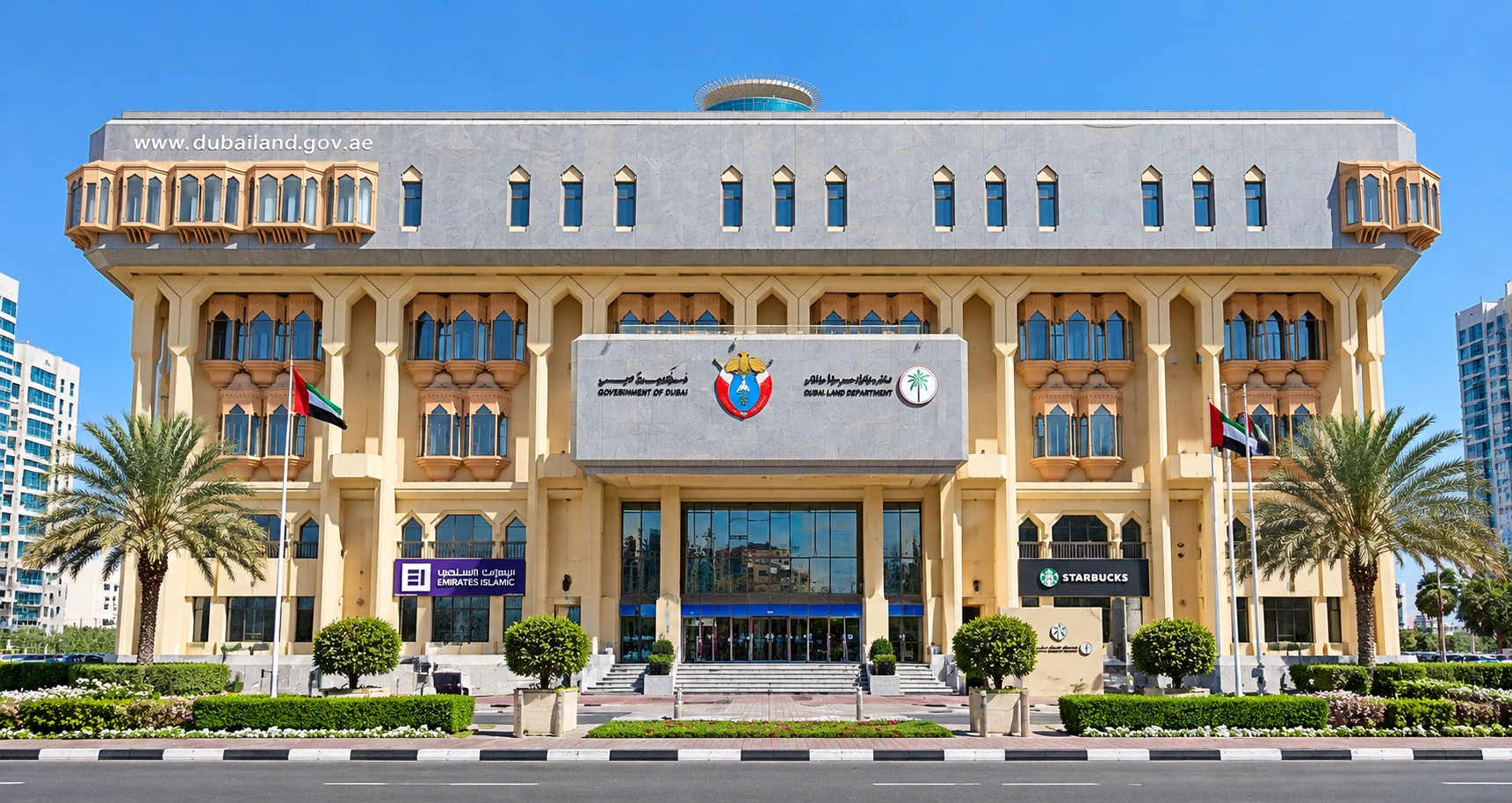
Dubai Land Department (DLD)
The Dubai Land Department is the government authority responsible for registering property ownership and every real estate transaction in the emirate. The DLD issues title deeds, maintains the property register, collects the 4% transfer fee and publishes transaction data. If a deal is not recorded with the DLD, it carries no ownership weight.
Real Estate Regulatory Agency (RERA)
RERA is the regulatory arm of the Dubai Land Department. It licenses brokers and developers, approves service charge budgets and manages the Ejari system. Broker conduct and Dubai's tenancy and off-plan rules both come under its authority.
Rental Disputes Centre (RDC)
The Rental Disputes Centre is the specialised judicial body for landlord and tenant cases in Dubai. It handles rent increases, evictions, deposit claims and maintenance obligations. The filing fee is typically 3.5% of the annual rent. A floor of AED 500 and a cap of AED 20,000 apply.
Dubai Electricity and Water Authority (DEWA)
DEWA supplies power and water across the emirate. Every tenant and owner activates a DEWA account at move-in, pays a refundable security deposit and receives monthly bills. Dubai's housing fee, calculated at 5% of the annual rental value, is billed through the same account.
Dubai Municipality
Dubai Municipality approves building permits, sets construction standards and administers the emirate's green building code. Its remit covers the physical structure, while the DLD governs the ownership behind it.
Property Ownership Types in Dubai
Ownership type determines exactly what you acquire. The distinction shapes resale rights, inheritance and visa eligibility, so review this section closely.
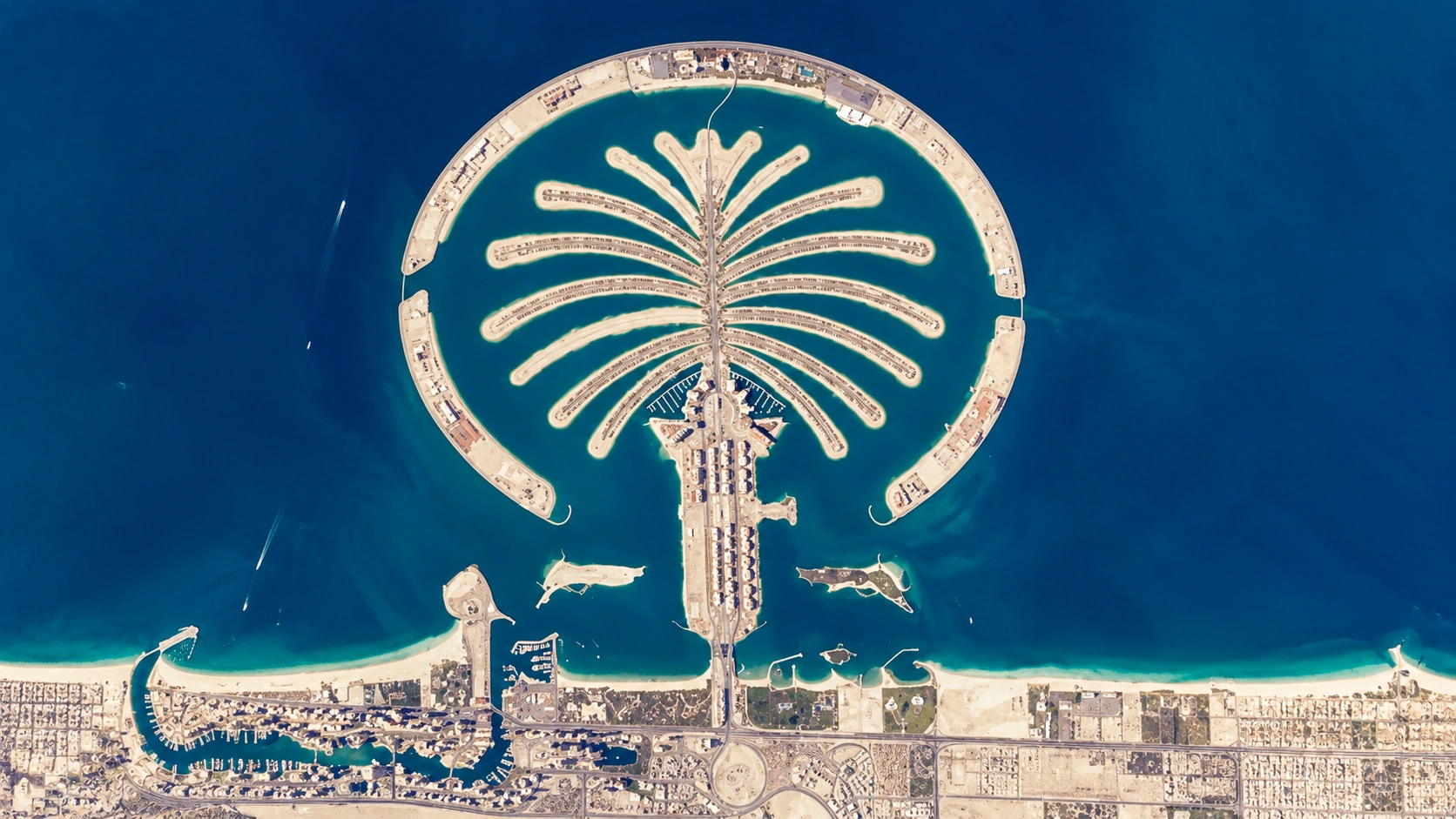
Freehold
Freehold grants complete ownership of the unit and the land beneath it, with no time limit. Foreign nationals may purchase freehold property in designated areas. Downtown Dubai, Dubai Marina, Business Bay and Palm Jumeirah are among them. You may sell, lease, gift or bequeath the asset without developer approval on the ownership itself.
Leasehold
A leasehold grants the right to occupy and profit from a property for a fixed term, commonly up to 99 years. The freeholder keeps the land title. At expiry, the property reverts to that owner unless both parties renew. For overseas buyers, understanding the difference between freehold and leasehold shapes a better deal in Dubai.
Musataha
Musataha is a registered right to build on or develop someone else's land. The term reaches 50 years, renewable by agreement for a further 50. Developers and industrial operators apply it far more often than individual homebuyers.
Non-Freehold
Non-freehold describes areas where ownership remains restricted to UAE and GCC nationals. Expatriates may still lease in these districts, though they cannot register a freehold title there.
Contracts, Forms and Agreements Explained
Dubai standardised its brokerage paperwork, so every party signs the same documents. The lettered RERA forms confuse newcomers more than anything else. Here is what each one does.
Sale and Purchase Agreement (SPA)
The SPA is the binding contract between a buyer and a developer, applied mainly to off-plan purchases. It sets the price, payment schedule, unit specification and completion date. It also states your remedies if the developer misses the handover.
Memorandum of Understanding (MOU)
An MOU records the agreed-upon terms between a buyer and a seller in a resale transaction. In Dubai, the MOU follows a standard format, known as Form F.
Form A
Form A is the listing agreement between a seller and a licensed broker. It authorises the brokerage to market the property and states the agreed commission.
Form B
Form B is the equivalent agreement on the buying side. It appoints a broker to represent the buyer and defines the fee payable.
Form F
Form F is the MOU signed by the buyer and seller. It carries the price, the deposit amount, the completion timeline and the penalty for default. The deposit cheque, commonly 10%, changes hands at this point.
Form I
Form I is signed when two brokers work the same deal, one for the seller and one for the buyer. It confirms how the commission splits between the two brokerages.
Form U
Form U terminates an existing Form A or Form B. A seller who wants a different agency signs Form U to release the first broker cleanly.
Tenancy Contract
A tenancy contract governs the landlord and tenant relationship, covering rent, term, deposit and maintenance responsibility. Registration with Ejari makes it enforceable.
Lease Agreement
Lease agreement is the broader term for any contract granting occupation rights. It applies to residential, commercial and long-term land arrangements.
Power of Attorney (POA)
A POA authorises a named person to act for you, and overseas investors depend on it heavily. A property POA must be notarised, and often attested and legally translated, before the DLD accepts it.
No Objection Certificate (NOC)
An NOC is the developer's written confirmation of clear service charges and no restriction on transfer. Without an NOC, the DLD will not register the sale. Developer fees for the certificate typically range from AED 500 to AED 5,000 plus VAT.
Property Systems and Certificates You Will Encounter
These systems create the paper trail behind ownership and tenancy. Most are digital, and several are verifiable on your phone within two minutes.
Ejari
Ejari is the RERA system for registering tenancy contracts in Dubai. Tenants and landlords encounter this term before any other. An Ejari certificate is mandatory for DEWA activation and residence visa applications. Any case filed at the Rental Disputes Centre needs one too. Registration costs around AED 155 online, with a slightly higher charge at a trustee office.
Oqood
Oqood is the interim property register for off-plan sales, introduced under Law No. 13 of 2008. Developers must register every off-plan contract through Oqood before collecting payments. The rule stops the same unit from being sold twice. Buyers receive an initial sale certificate that converts to a title deed at handover.
Title Deed
A title deed is the DLD-issued document proving legal ownership of a completed property. It names the owner, the plot, the unit number and the registered area. Treat it as the single most important document in your file.
Makani
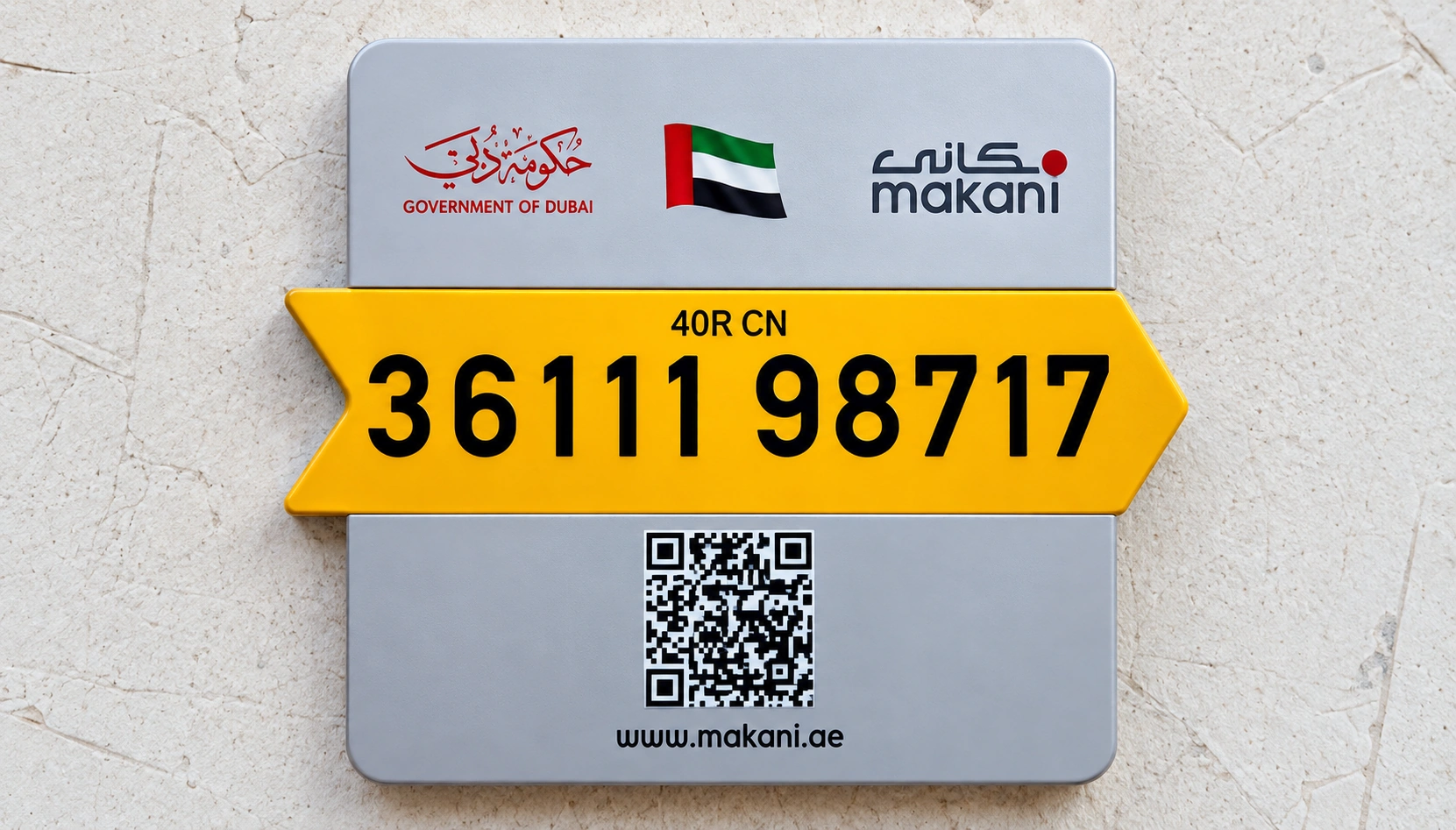
Makani translates as "my location" and is the 10-digit geographic address code assigned by Dubai Municipality to every building entrance. Emergency services, couriers and DLD inspectors locate a property through this number.
Trakheesi
Trakheesi is the DLD's licensing and permit platform, and it matters most to agents and brokerages. Brokers request advertising permits through Trakheesi, and every legitimate property listing carries a permit number generated by it.
Al Sa'Fat (Dubai Green Building System)
Al Sa'Fat is Dubai Municipality's green building rating system. It grades new developments across tiers from Bronze through Platinum. A higher rating usually signals lower energy consumption and, over time, lighter utility bills for occupants.
Madmoun
Madmoun is the QR code service RERA launched in April 2023 through Trakheesi. Every approved property advertisement carries a code revealing the permit details, the brokerage and the property status when scanned. An advertisement without one is the exception and merits a direct query.
Tasdeeq
Tasdeeq refers to lease attestation and certification of rental documentation. Ajman operates a dedicated Tasdeeq portal for this purpose. Dubai landlords and tenants reach the same outcome through Ejari registration.
Market and Transaction Terms Every Buyer Should Know
This vocabulary appears in listings, brochures and broker calls. Misreading it costs money.
Off-Plan
Off-plan property in Dubai is bought from the developer before construction finishes. Prices at launch are typically lower, and payment spreads across the build period. The trade-off is time, since income begins at handover instead of the date of purchase.
Escrow Account
An escrow account is the regulated project account where off-plan buyer payments are held. Under Law No. 8 of 2007, developers cannot draw those funds freely. Every release follows a verified construction milestone. This single rule does more to protect off-plan buyer payments than any other clause in Dubai property law.
Expression of Interest (EOI)
An EOI is a refundable pre-booking payment reserving your place in a launch queue. It secures priority, not a specific unit, and converts into the booking amount once you select one.
Down Payment
The down payment is the initial percentage paid at booking or at transfer. Expatriate buyers financing a first home commonly contribute at least 20% of the purchase price under UAE Central Bank lending rules.
Post-Handover Payment Plan
A post-handover payment plan allows you to continue paying instalments after you receive the keys, sometimes over two or three years. Many buyers rent the unit out during that window and offset part of the schedule. The 1% monthly and 60/40 structures are the most common off-plan payment plans on the market.
Snagging
Snagging is the pre-handover inspection where a specialist lists every defect, from misaligned doors to weak water pressure. The developer repairs the list under warranty before you accept the unit.
Flip
A flip is the resale of a property, usually off-plan, before completion. Developers set their own resale thresholds, often 30% to 40% of the price paid first. The DLD then registers the transfer.
Property Management
Property management covers the day-to-day work of owning a rented asset: tenant sourcing, Ejari registration, rent collection, maintenance and renewals. Landlords abroad rely on it almost universally.
Gated Community
A gated community is a master development with controlled entry, private roads and shared amenities. These communities carry higher service charges and, as a rule, stronger family tenant demand.
Financial and Investment Terms in Dubai Property
Understand these terms, as these govern your returns.

Service Charge
A service charge is the annual fee owners pay towards maintenance of shared areas, security, insurance and the reserve fund. RERA approves the budget, and the charge is billed per square foot of your unit. A heavy service charge erodes your rental yield. Waterfront towers and standard buildings rarely deliver the same net figure.
Equated Monthly Instalment (EMI)
An EMI is the fixed monthly repayment on a mortgage, combining principal and interest. Our Dubai mortgage calculator returns an indicative figure once you enter the price, tenure and rate.
Equity
Equity is the share of the property you own outright: market value minus the outstanding loan. Equity grows as you repay the mortgage and as the asset appreciates.
Rental Index
The rental index is the DLD benchmark governing permitted rent increases. The Smart Rental Index arrived in January 2025 and rates residential buildings from one to five stars. Fair value comes from that rating, plus contract data and area averages. Decree No. 43 of 2013 sets the bands. No increase applies when rent stays within 10% of the market average, and the permitted step climbs in stages to a maximum of 20%.
Emirates Interbank Offered Rate (EIBOR)
EIBOR is the benchmark rate at which UAE banks lend to each other. Variable-rate mortgages price at EIBOR plus a bank margin, so your EMI moves when the benchmark moves. Anyone weighing a loan against a cash purchase should model both before committing.
Real Estate Commission
Real estate commission is the brokerage fee. Sales commonly attract 2% of the purchase price plus VAT, while residential leasing typically attracts 5% of the annual rent. The figure is negotiable on larger transactions.
Post-Dated Cheque (PDC)
A PDC is a cheque written for a future date. Tenants often pay annual rent in one, two or four PDCs. Buyers on developer plans issue them against the instalment dates.
Golden Visa
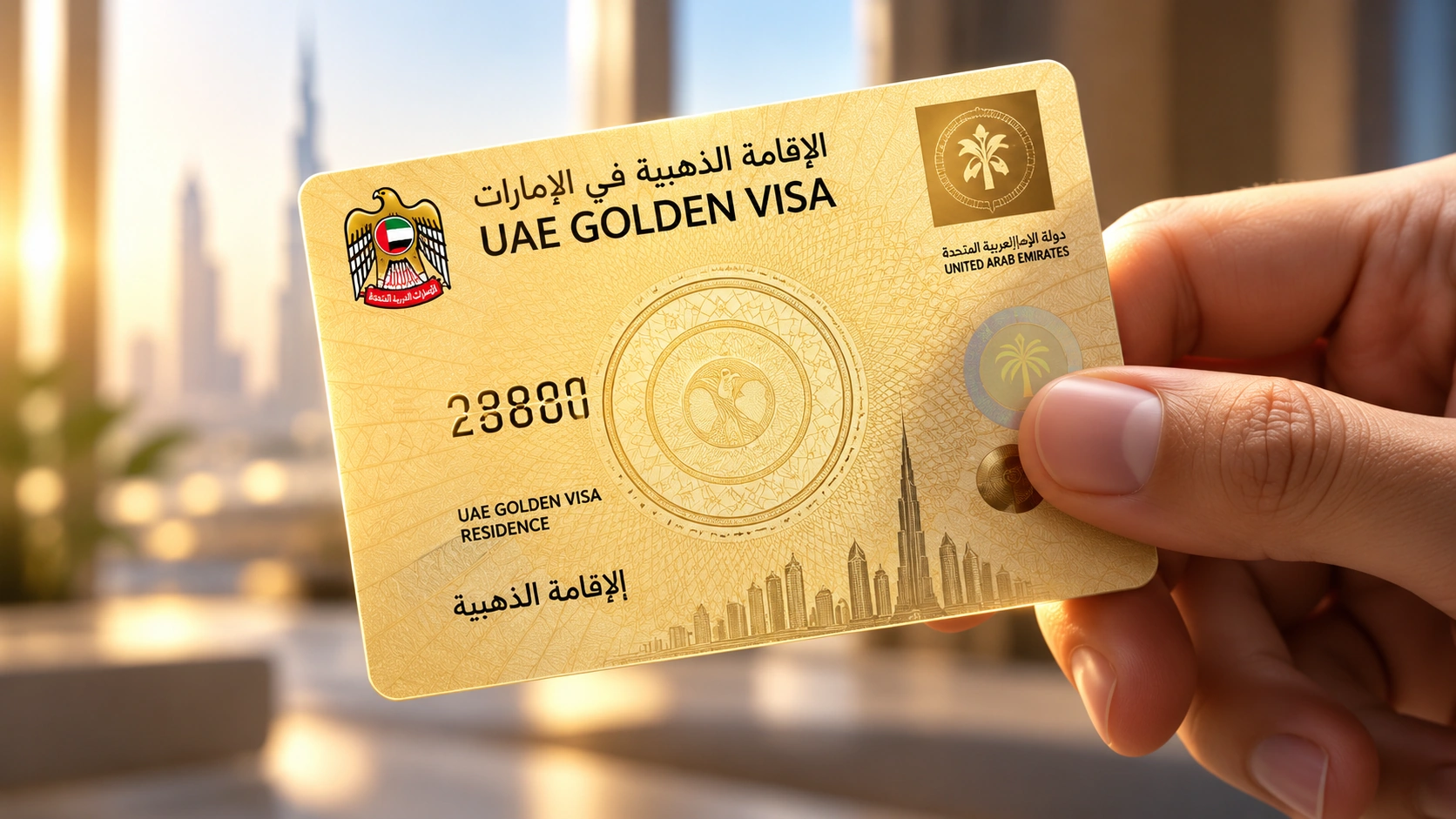
The Golden Visa is the UAE's 10-year renewable residency. Investors generally qualify for a Golden Visa through property investment worth at least AED 2 million, with the authorities confirming eligibility on a case-by-case basis.
Agency and Licensing: BRN and ORN
Two numbers separate a licensed professional from an unregistered operator. Both appear on every compliant advertisement in Dubai.
Broker Registration Number (BRN)
A BRN is the individual licence RERA issues to a real estate agent after training and examination. The number identifies the individual, not the company. Verify it through DLD channels before any funds are transferred.
Office Registration Number (ORN)
An ORN identifies the brokerage itself. A legitimate firm displays its ORN on contracts, listings and marketing material.
Ask for both numbers at the first meeting. A licensed agent supplies them without hesitation, and the team at First Stone Real Estate publishes credentials on request.
Property Measurement Terms: BUA vs Saleable Area
Area definitions decide your price per square foot, and developers do not always apply them identically.
Built-Up Area (BUA)
BUA is the total constructed area of the unit. It measures to the external walls and counts internal walls, balconies and terraces.
Saleable Area
Saleable area is the figure your price is calculated against. It usually combines the internal suite area and the balcony. An allocated share of common areas, such as lobbies and corridors, comes on top.
The gap between the two changes your effective cost, so always request the area breakdown in writing.
Key Takeaways
Dubai real estate terminology follows a logic once you group it by stage. Regulatory bodies set the rules. Ownership types define what you acquire, RERA forms record the agreement, and Ejari, Oqood and the title deed create the legal record. Financial terms then determine what the asset returns.
Two documents deserve particular attention. The title deed proves ownership outright, while an Oqood certificate proves an interim right during construction. Confusing them is the single most expensive misreading a new investor can make in this market.
The rest is verification. Check the BRN and ORN. Scan the Madmoun QR code on any listing, confirm current fees with the DLD, and request the area breakdown in writing. Investors who complete these checks before signing rarely encounter an unwelcome surprise later. The most asked questions about Dubai real estate cover the next layer of detail.
FAQs
What is the difference between Ejari and Oqood?
Ejari registers a tenancy contract between a landlord and a tenant in Dubai, and RERA administers it. Oqood registers an off-plan sale between a buyer and a developer in the interim property register. One concerns renting, the other concerns buying a property still under construction.
What do Form A and Form B mean in Dubai real estate?
Form A is the listing agreement between a property seller and a licensed brokerage. Form B is the equivalent agreement appointing a broker to act for the buyer. Both are standard RERA documents, and both state the agreed commission before any viewing takes place.
What are the DLD transfer fees for property buyers in Dubai?
The Dubai Land Department charges a 4% transfer fee on the property value, plus fixed administrative and trustee office charges. Most buyers budget 7% to 10% above the purchase price to cover government fees, brokerage commission and any mortgage-related costs.
What is an escrow account for off-plan property in Dubai?
An escrow account is a regulated project account ring-fencing off-plan buyer payments under Law No. 8 of 2007. The developer cannot withdraw funds at will, and releases follow verified construction progress. The arrangement protects buyer money if a project stalls.
What is the meaning of Musataha in UAE real estate?
Musataha is a registered right to build on or develop land owned by another party. It is granted for up to 50 years, renewable for a further 50 by agreement. Developers and industrial users apply it far more often than residential buyers.
Which common Arabic terms appear in Dubai real estate?
Ejari means my rent and registers tenancy contracts. Oqood means contracts and covers off-plan registration. Makani means my location and assigns address codes. Trakheesi handles licensing, and Madmoun secures advertisement verification.
What does a title deed look like in Dubai?
A Dubai title deed is a DLD-issued certificate. It shows the owner's name, property type, plot and unit number, registered area and location details. The document carries DLD security features and a verification code, and remains the definitive proof of ownership.