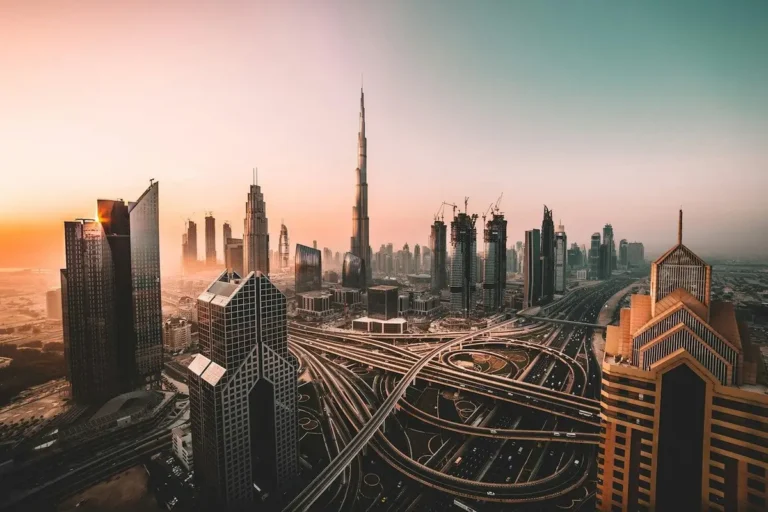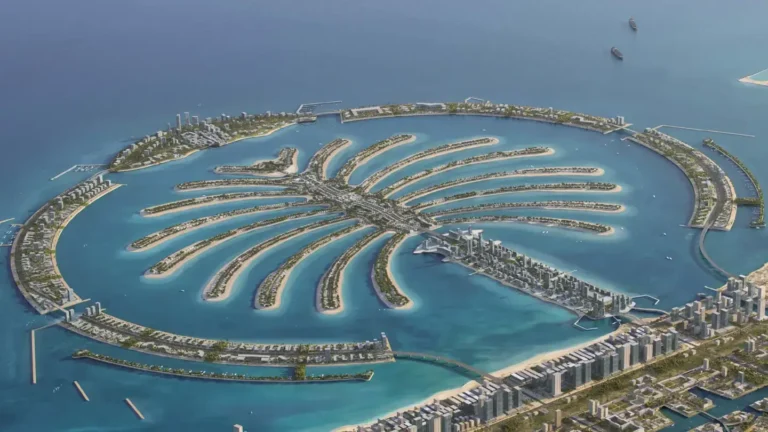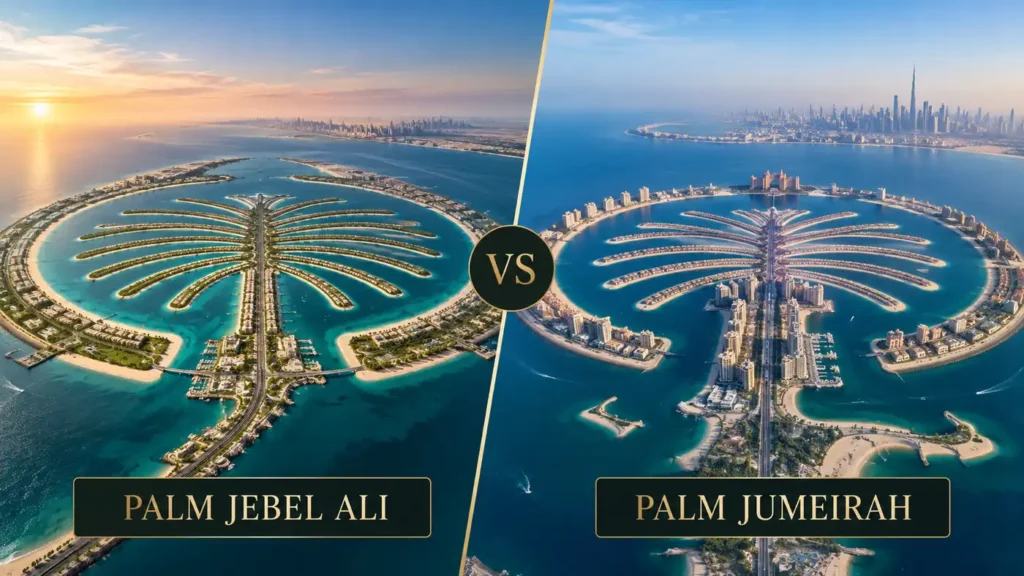
Dubai has two palm shaped waterfront islands. One is Palm Jumeriah and other is Palm Jebel Ali., but they offer very different propositions for buyers and investors in 2026. Palm Jumeirah has been lived in for close to twenty years, with beach clubs, five-star resorts, a monorail line and a resale market deep enough to absorb multi-million dirham trades every week. Palm Jebel Ali, relaunched in 2023 after a long pause, is still developing. It covers twice the footprint, is roughly a quarter built, and prices at a level Palm Jumeirah last saw more than a decade ago.
These are two different asset types. One delivers rental income from day one, verified square footage, and a transaction record that buyers can audit. The other opens at launch pricing, with staged payments.
Here, we compare key differences between Palm Jumeriah vs Palm Jebel Ali.
Palm Jebel Ali vs Palm Jumeirah: Quick Comparison
Here is the headline picture across the factors buyers ask about first.
| Factor | Palm Jumeirah | Palm Jebel Ali |
|---|---|---|
| Master developer | Nakheel | Nakheel, plus joint venture partners |
| Launch year | 2001, first residents 2006 to 2007 | Originally 2002, relaunched 2023 |
| Land area | Around 6.5 km² | Around 13.4 km² |
| Coastline added | Around 78 km | Around 110 km |
| Structure | Trunk, 16 fronds, crescent | Seven linked islands, 16 fronds, crescent |
| Build status, mid 2026 | Fully operational | Roughly 27% complete |
| Typical villa plot | Around 10,500 sq ft | Around 21,000 to 26,000 sq ft |
| Villa price per sq ft | Around AED 6,000 and above | Around AED 2,600 to 3,000 |
| Market type | Secondary resale, a few new launches | Primary off-plan, direct from the developer |
| Rental income | Immediate | Begins after handover |
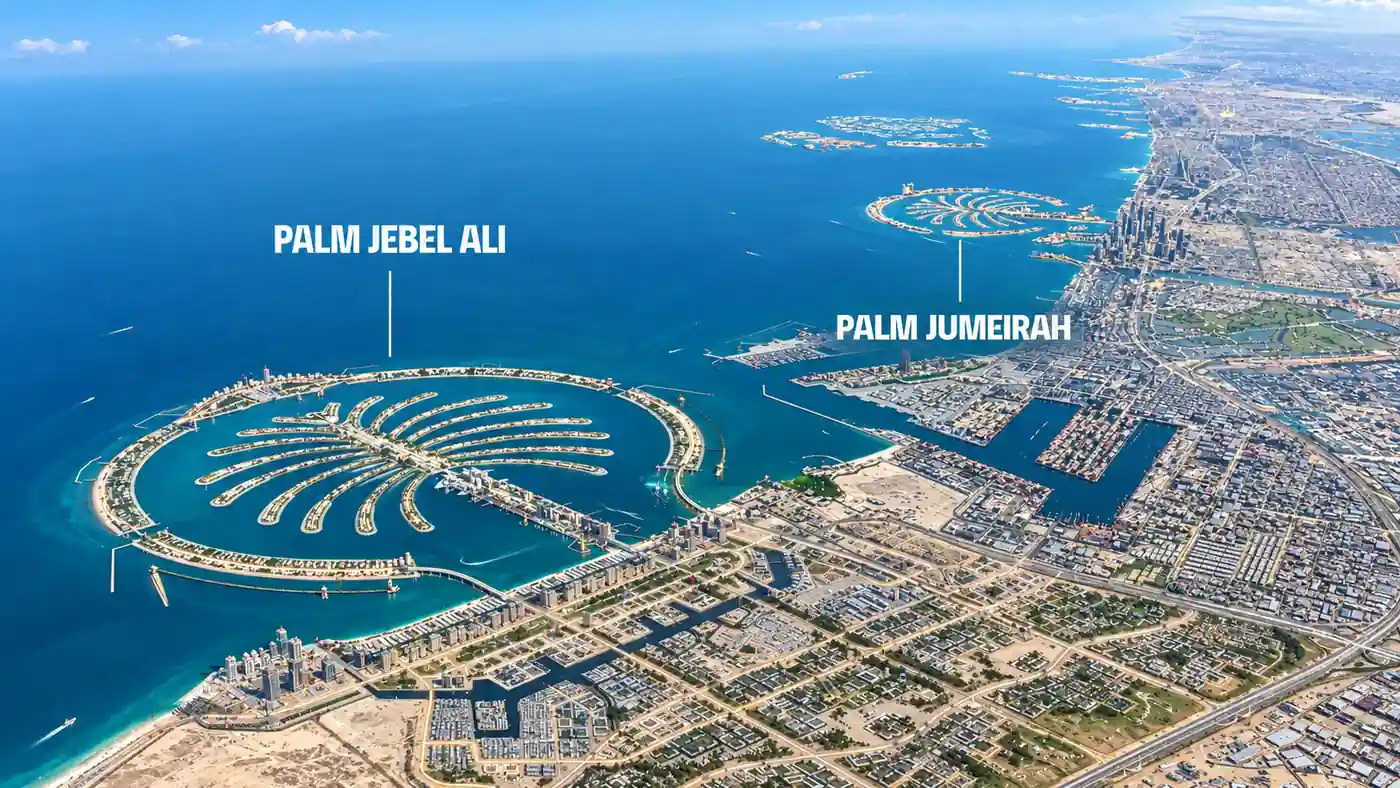
| Distance to Downtown Dubai | Around 25 km | Around 50 km |
| Nearest major airport | Dubai International (DXB) | Al Maktoum International (DWC) |
Palm Jumeirah: Dubai's Proven Waterfront Address
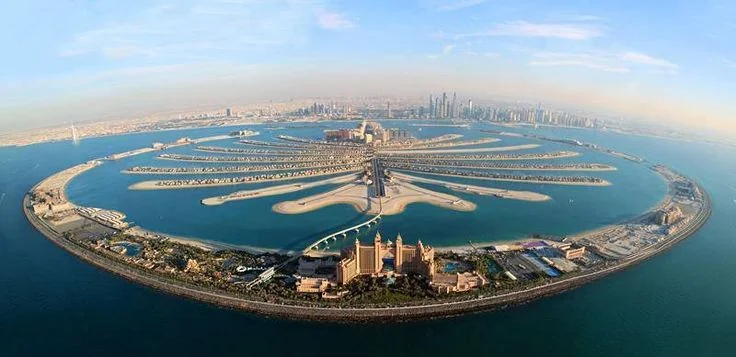
Palm Jumeirah is one of the world’s largest man-made islands, and a spectacular feat of engineering covering 560 hectares of land. It is home to approximately 25,000 people and features luxury residences and waterfront homes, retail destinations, leisure attractions and world-class marinas. Reclamation began in 2001, the first residents moved in around 2006, and every year since has added restaurants, hotels, retail and transport links. Today, it is mostly a complete district, with schools within reach, a mall at its midpoint, a monorail spine and some of the highest value residential stock in the Gulf.
Location and Connectivity
The island links to Sheikh Zayed Road through a short tunnel and bridge system, connecting Dubai Marina minutes away and Downtown Dubai around 25 kilometres east. Dubai International Airport takes 35 to 40 minutes by car outside peak hours. For owners who value closeness to offices, international schools and nightlife, the location is hard to beat.
Property Types on the Island
- Shoreline Apartments: Original low-rise blocks along the trunk, popular with tenants for beach and park access.
- Trunk towers: Palm Tower, Seven Palm and similar mid to high-rise stock, with Nakheel Mall at street level.
- Garden Homes and Signature Villas: Gated beachfront houses along the fronds, with private sand and mooring access.
- Crescent-branded residences: Atlantis The Royal, One&Only, Six Senses, W and Armani Beach Residences, the highest price tier on the island.
- Penthouses and sky villas: Scarce, often traded privately, and the segment behind record headline prices.
Lifestyle and Amenities
Everything a resident needs already exists. Beach clubs, fine dining, spas, marinas, supermarkets, clinics and a monorail connection to the Dubai Tram network all operate today. Short-term holiday home licensing through DTCM gives owners a second income route during peak winter months, which is a practical advantage for investors weighing seasonal demand.
Palm Jebel Ali: Dubai's Next Generation Island
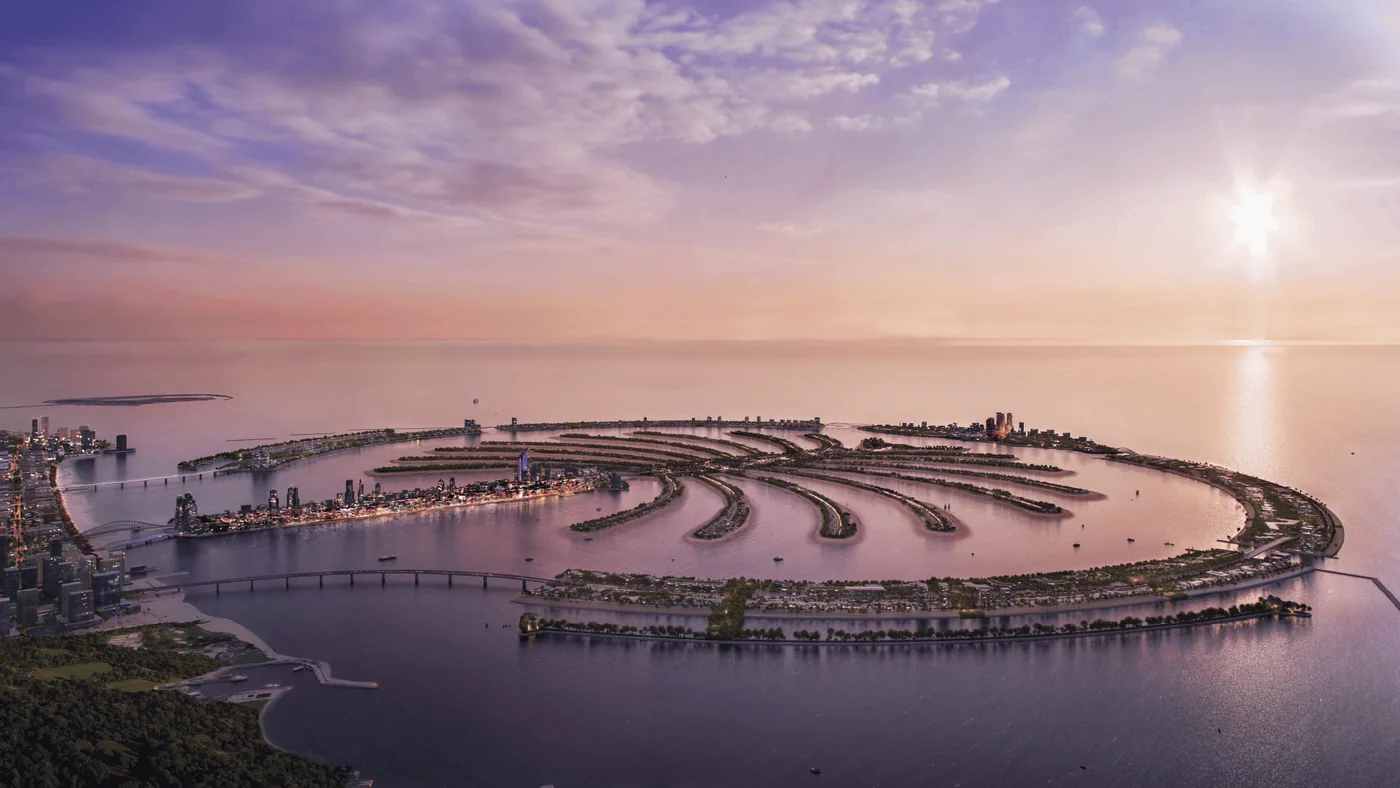
Palm Jebel Ali is a larger and more deliberate project. The revised master plan covers roughly 13.4 km² across seven linked islands, adds around 110 km of shoreline, and makes space for approximately 35,000 families alongside more than 80 hotels and resorts. Around 30% of the island is reserved for green and open space, with solar-powered public infrastructure.
Master Plan and Design Approach
Where Palm Jumeirah maximised density along narrow fronds, Palm Jebel Ali spreads out. Plots are roughly double the size, frond widths are wider, and the residential mix extends past villas into apartments, townhouses and branded waterfront product.
Villa Collections and Recent Launches
- The Coral Collection: Seven-bedroom ultra luxury beachfront villas on plots averaging around 20,000 sq ft, among the earliest releases after the 2023 relaunch.
- The Beach Collection: Five and six-bedroom G+2 beachfront villas with rooftop terraces, staff quarters and private garages, built up areas broadly in the 7,700 to 8,400 sq ft band.
- Palm Central Private Residences: A June 2026 release of 222 beachfront apartments and townhouses, opening a lower entry point on the island.
- Custom plots: Land parcels of roughly 23,900 to 26,000 sq ft for buyers commissioning their own G+2 beach villa.
Nakheel commissioned several architecture practices for the villa designs, including WATG, SAOTA, NAGA Architects, LOCI, LW Design Group and Whitespace. The result gives the fronds visual variety instead of a single repeated façade.
Construction Progress and Handover Timeline
Nakheel's published construction tracker put overall island progress at roughly 26.75% in mid June 2026, with substructure work above 93%, superstructure near 68%, building works around 22%, and MEP close to 19%. In April 2026, the developer awarded contracts worth more than AED 3.5 billion covering 544 villas across the early fronds, and roughly 700 villas from earlier Coral and Beach Collection phases had already sold.
Timeline
Early frond handovers carry target dates spanning late 2027 through 2030, depending on collection and release.
Key Differences Between Palm Jebel Ali and Palm Jumeirah
Location and Connectivity
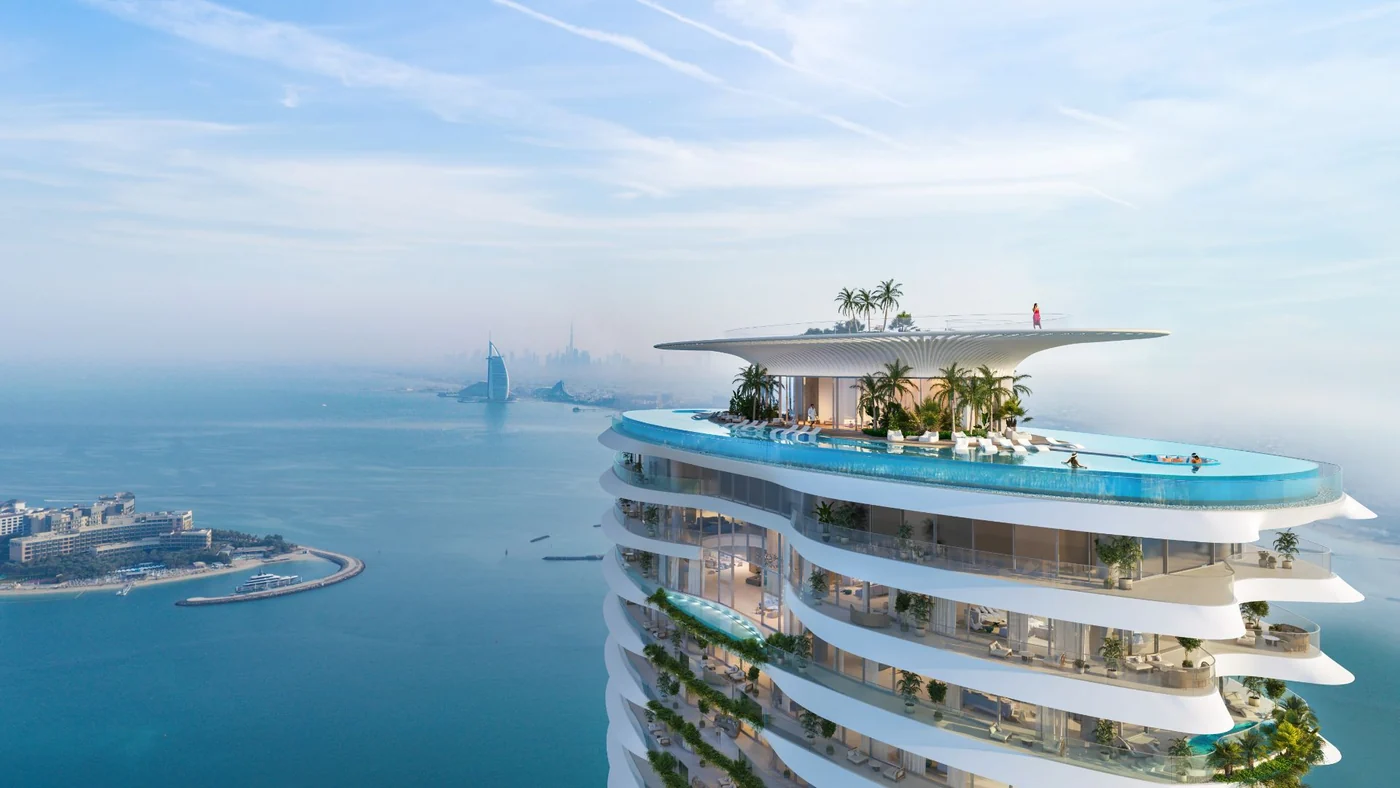
Palm Jumeirah occupies Dubai's central coastline, between Dubai Marina and Jumeirah Beach Residence. It links to the mainland through a single trunk road and is a short drive from Downtown Dubai, DIFC, and Sheikh Zayed Road's busiest stretch. Residents reach Dubai International Airport in under thirty minutes and can walk or take a short tram ride to the Marina and JBR.
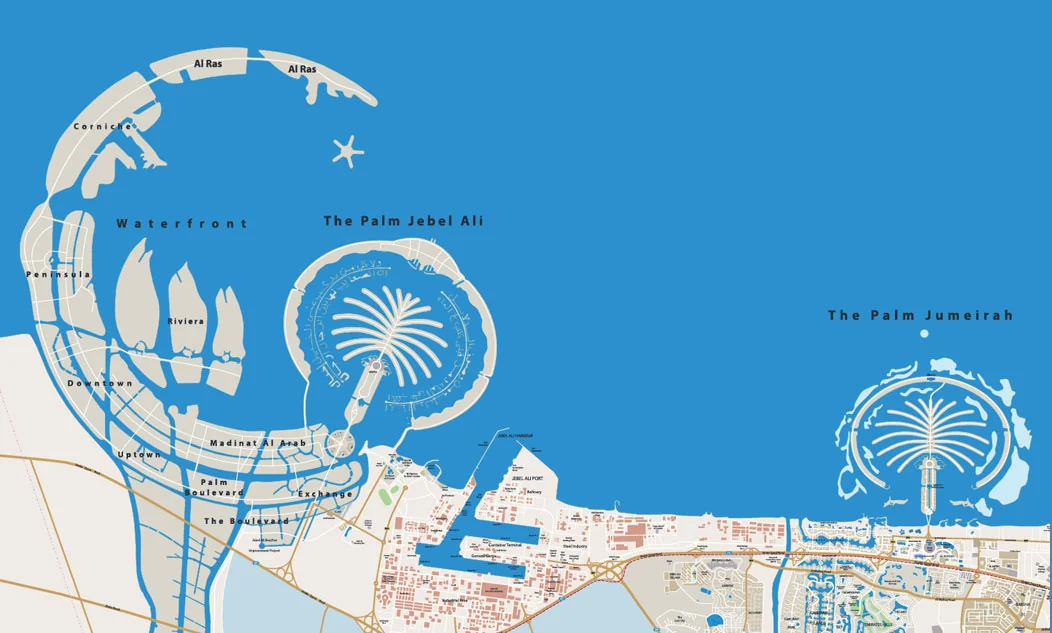
Palm Jebel Ali occupies a spot further southwest, adjacent to Jebel Ali Port and the Jebel Ali Free Zone, with direct access to Sheikh Zayed Road (E11) through a dedicated bridge. The drive to Dubai Marina takes around 40 minutes off-peak, and Downtown Dubai is roughly 50 km away. Al Maktoum International Airport, Dubai's future primary aviation hub, lies approximately 40 minutes from the island, and Dubai Parks and Resorts is nearby.
For buyers, this breaks down into two clear profiles
- Palm Jumeirah suits anyone who wants a central address with quick access to business districts, nightlife, and the airport.
- Palm Jebel Ali suits buyers who prioritize space, a lower entry price, and long-term exposure to Dubai's westward growth corridor, including the area around Al Maktoum Airport and the Expo City district.
Size, Layout, and Master Plan
Palm Jumeirah is divided into three zones: the Trunk, home to most apartment towers; the Fronds, sixteen branches lined with detached villas; and the Crescent, a breakwater carrying hotels including Atlantis The Palm and the Waldorf Astoria. The island covers close to 5–6 square kilometers and adds around 78 km of coastline to Dubai when it was built.
Palm Jebel Ali is considerably bigger. Nakheel's revived master plan spans approximately 13.4 square kilometers, built across seven connected districts and 16 to 17 fronds, protected by a long crescent breakwater. The island is expected to add between 90 and 110 km of new coastline, more than the original Palm Jumeirah design. The plan includes over 80 hotels and resorts, six marinas, a water theme park, retail centers, schools, including a GEMS World Academy campus, and space for an estimated 35,000 families across roughly 7,000-plus residential units.
Key structural differences
- Palm Jebel Ali plots and villas are generally larger than comparable units on Palm Jumeirah, with 5- to 7-bedroom layouts starting around 7,400 sq. ft.
- Palm Jumeirah's older Signature Villas and Garden Homes occupy smaller footprints, though renovated and rebuilt villas now push past 10,000 sq. ft in some cases.
- Palm Jebel Ali's frond spacing was designed with wider gaps between branches, reducing density compared to Palm Jumeirah's tighter frond layout.
Property Prices
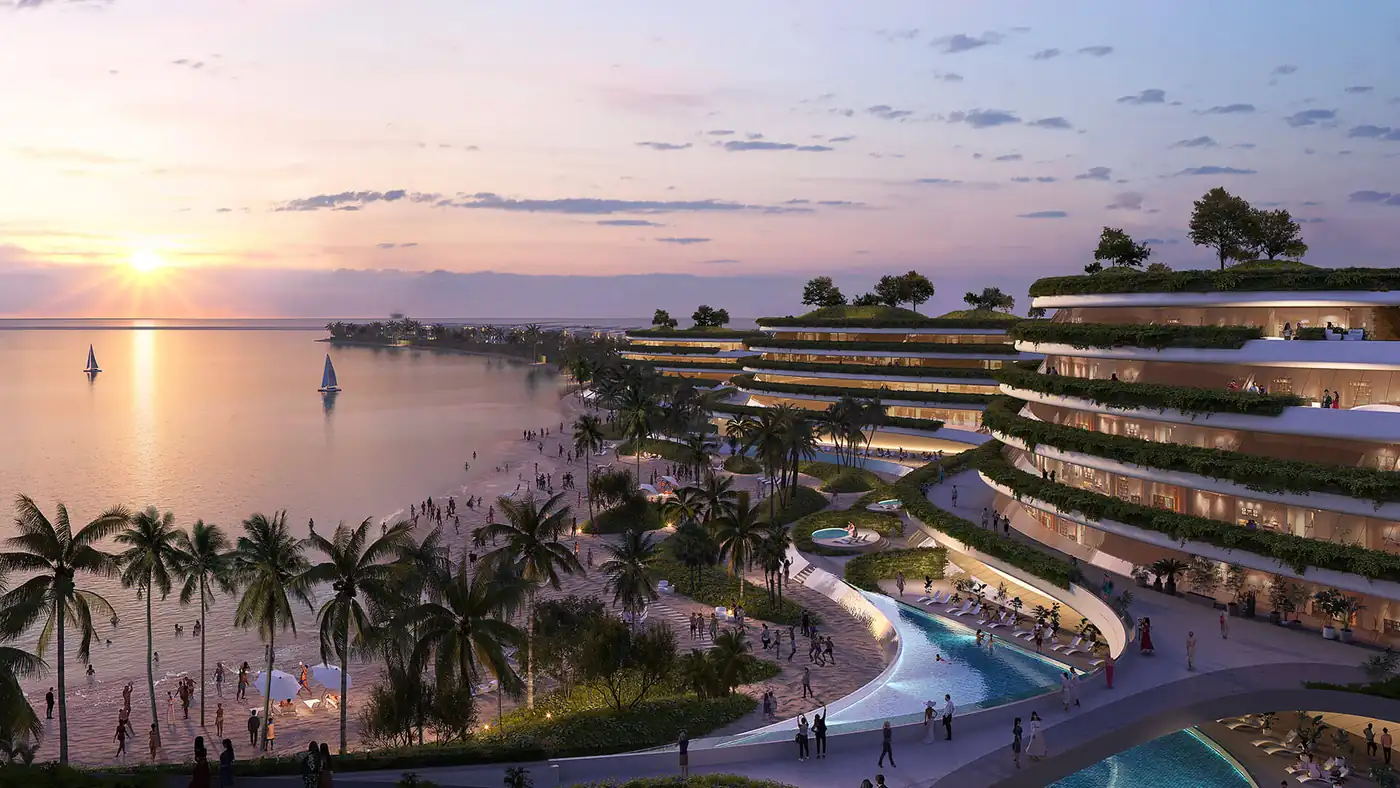
Palm Jebel Ali Pricing (2026)
Palm Jebel Ali is still off-plan, so prices reflect launch and resale figures for units under construction.
- Apartments: Start from approximately AED 2.7 million at Palm Central Private Residences, averaging around AED 5.6 million for units near 2,500 sq. ft.
- Townhouses: Start from approximately AED 12.4 million.
- Villas (Coral Collection): Start from approximately AED 18.1–18.6 million.
- 5-bedroom villas: Median price around AED 21.5 million (AED 2,600–2,970 per sq. ft).
- 6-bedroom villas: Median price around AED 21.6 million (AED 2,690–2,995 per sq. ft).
- 7-bedroom premium villas: Start from AED 29–43 million.
- Beachfront land plots: Range from AED 40 million to AED 67 million, depending on frond position and plot size.
Villa prices on Palm Jebel Ali currently stand 60–66% below Palm Jumeirah on a per-square-foot basis, according to market data from mid-2026.
Palm Jumeirah Pricing (2026)
Palm Jumeirah pricing reflects a mature, fully transacted secondary market alongside a smaller pool of new-launch branded units.
- Trunk apartments (older stock): Start from approximately AED 2,200 per sq. ft, with the Palm-wide average near AED 3,100 per sq. ft as of Q1 2026, up 14% year on year.
- Prime apartments: Range from AED 2,800 to AED 4,500 per sq. ft, with some luxury towers reaching AED 3,500–4,090 per sq. ft.
- Shoreline Apartments (2-bedroom, unrenovated): Around AED 3.2 million.
- Garden Homes (unrenovated): Around AED 17 million, rising to roughly AED 26 million once renovated.
- Signature Villas: Around AED 32 million unrenovated, reaching AED 48 million after a full rebuild.
- Ultra-luxury rebuilt villas: Generally start from AED 150 million and are frequently listed as price on application.
Rental Yield and ROI Comparison
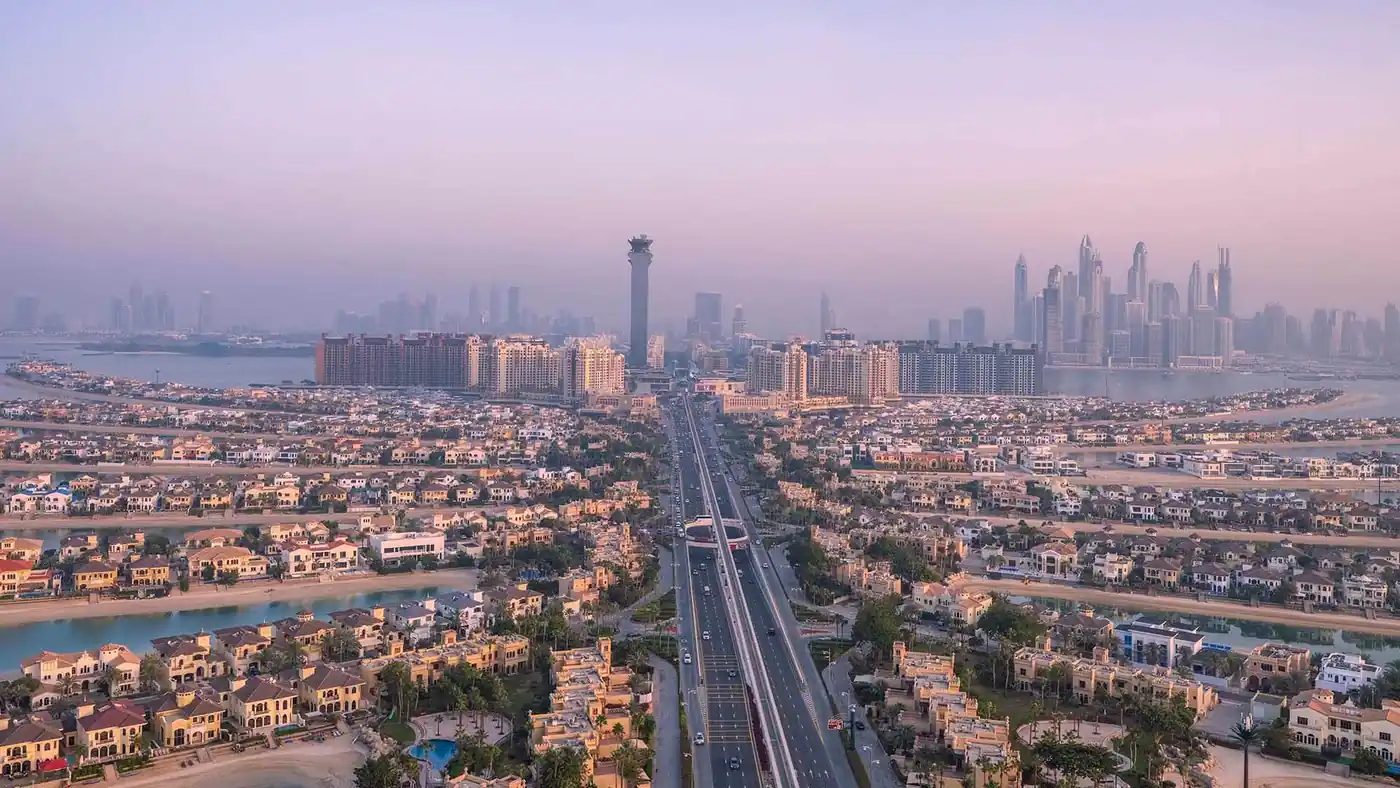
Palm Jebel Ali is an off-plan development; it carries no rental history yet. Palm Jumeirah, on the other hand, offers two decades of leasing data across apartments, villas, and branded residences.
| Property type | Gross yield | Notes |
|---|---|---|
| Apartments (long-term) | 5.0%–7.3% | Shoreline and Golden Mile buildings perform toward the higher end |
| Apartments (short-term/holiday) | 7%–9% | Peak season, October to April, requires active management |
| Villas (long-term) | 4.0%–5.2% | Lower yield percentage offset by higher absolute rent |
| Branded residences | 5.5%–6.5% | Shorter vacancy periods reported |
Palm Jumeirah's yield falls below that of some inland Dubai communities, such as Business Bay or Downtown Dubai, largely because property values have climbed faster than rents. Buyers accept the lower percentage in exchange for tenant quality, low vacancy, and strong capital appreciation.
Palm Jebel Ali's return is entirely based on projected capital appreciation instead of income. Early buyers are pricing in:
- A discount of 60–66% per square foot compared to Palm Jumeirah at launch.
- A 10 to 15-year investment horizon, with phased handovers running from late 2027 through the early 2030s.
- Infrastructure momentum, including more than AED 13 billion in awarded construction contracts as of August 2026.
- A broader Dubai 2040 growth corridor around Jebel Ali, Al Maktoum Airport, and the Expo City district.
Verdict
Palm Jumeirah offers immediate rental income and a proven resale market, at a higher entry cost. Palm Jebel Ali offers a lower entry point and larger plots, with returns dependent on construction delivery and future demand absorption.
Payment Plans and Buying Process
Palm Jebel Ali developments generally follow an 80/20 or 60/40 structure, with a portion paid during construction and the balance due on handover. This structure suits buyers comfortable holding capital through a multi-year build cycle in exchange for a lower entry price.
Palm Jumeirah transactions are split into two categories.
- Resale properties, which make up most of the market, require full payment at transfer through the Dubai Land Department, since the island is fully built.
- A smaller number of new-launch branded residences on Palm Jumeirah offer construction-linked payment plans, similar in structure to standard Dubai off-plan launches.
Both islands offer full freehold ownership to foreign buyers, and both qualify for the UAE Golden Visa when the purchase price meets the current threshold.
Risk Factors Worth Weighing
Palm Jebel Ali
- Schedule slippage on projects of this size is common worldwide.
- Construction cost inflation across Dubai has pressured programmes through 2026.
- Transport connectivity is still unconfirmed at the policy level.
- Thin resale depth limits exit flexibility during the build period.
- Early phases will be completed before the surrounding retail and hospitality open.
Palm Jumeirah
- Entry pricing reflects a market already repriced substantially upward.
- Older villa stock frequently needs seven-figure renovation budgets.
- Service charges on branded and beachfront product are high.
- Peak season traffic congestion along the trunk affects daily life.
- Yield compression limits income led strategies.
Which Island Suits Which Buyer?
Choose Palm Jumeirah If You
- Want occupancy or rental income immediately.
- Prefer inspecting a physical asset before committing capital.
- Need mortgage financing at standard terms.
- Value closeness to Dubai Marina, DIFC and international schools.
- Prioritise liquidity and a proven resale record.
Choose Palm Jebel Ali If You
- Have a seven to ten-year horizon and no near-term income requirement.
- Want maximum land and privacy per dirham spent.
- Prefer staged payments over full settlement upfront.
- Are positioning ahead of the Dubai South and Al Maktoum growth corridor.
- Accept construction risk in exchange for entry-level pricing.
Final Verdict
Palm Jumeirah and Palm Jebel Ali answer two different questions. The first one is a globally recognised waterfront address. The second one is off-plan development.
- For buyers who need income, certainty and an exit route, Palm Jumeirah remains the stronger choice despite its premium.
- For buyers with patience, a multi-year horizon and an appetite for construction exposure, Palm Jebel Ali is the best option to consider.
The correct decision follows from your own timeline, liquidity position and income requirement. Whichever island fits, unit selection within it matters, since frond position, view corridor, service charge structure and release phase all shape the eventual return. Speak with our team at First Stone Real Estate for current availability, verified price lists and a direct read on both islands.
Compare both palm islands with a specialist
Get verified price lists, payment plans and unit availability for Palm Jumeirah resale and Palm Jebel Ali off-plan releases.
Talk to First Stone Real EstateFrequently Asked Questions
Is Palm Jebel Ali bigger than Palm Jumeirah?
Yes. Palm Jebel Ali covers roughly 13.4 km² against approximately 6.5 km² for Palm Jumeirah, close to double the land area. It adds around 110 km of coastline, spans seven linked islands, and carries villa plots roughly twice the size of those on the older island.
Which palm island is a better investment in 2026?
Neither wins on every metric. Palm Jumeirah suits income focused buyers wanting immediate returns, verified stock and deep liquidity. Palm Jebel Ali suits capital growth buyers with a longer horizon and tolerance for delivery risk. The honest answer depends on whether your priority is cash flow today or appreciation across the next decade.
How much cheaper is Palm Jebel Ali than Palm Jumeirah?
Comparing like for like villa product, Palm Jebel Ali prices between 50 and 65% below Palm Jumeirah on a per square foot basis. Built villas average near AED 3,000 per sq ft at Palm Jebel Ali against roughly AED 9,000 per sq ft for prime Palm Jumeirah stock. Waterfront plots show a similar spread.
When will Palm Jebel Ali be completed?
Early frond handovers carry target dates from late 2027 onward, with several collections scheduled across 2029 and 2030. Overall island progress reached roughly 27% in mid 2026. Full buildout, covering all seven islands and complete community services, extends into the 2030s. These dates are developer targets and stay subject to revision.
What is the payment plan for Palm Jebel Ali villas?
Releases have generally used an 80/20 structure, with 80% across the construction period and 20% at handover, and booking amounts of 10 or 20%. One Beach Collection release used a 20/50/30 split, with 50% spread across nine instalments over nearly three years. Schedules vary by frond and release, so always request the specific plan attached to the unit under consideration.
What rental yield does Palm Jumeirah generate?
Gross apartment yields fall broadly between 5.0 and 6.8% depending on building, unit type and lease strategy. Villas generate lower gross returns, around 4.0 to 5.2%, balanced by stronger capital appreciation. Net figures after service charges and management typically land between 4.0 and 5.5% for apartments.
Can foreigners buy property on both palm islands?
Yes. Both islands are designated freehold zones, open to buyers of any nationality with full ownership title registered through the Dubai Land Department. Purchases above AED 2 million also support a ten year Golden Visa application for the owner and immediate family.
How far is Palm Jebel Ali from Downtown Dubai?
Approximately 50 kilometres, or around 40 to 50 minutes by car outside peak periods. Palm Jumeirah is roughly half the distance at about 25 kilometres. Palm Jebel Ali compensates with closer access to Al Maktoum International Airport, Expo City and the Dubai South business district.
Is it safe to buy off-plan at Palm Jebel Ali?
Purchases are protected by Dubai's escrow framework, with buyer funds held in project-specific accounts and released against verified construction milestones. Contracts register through Oqood. The residual risk is timing, since delays affect when you take possession and begin earning income. Reviewing the SPA, escrow details and milestone schedule with a qualified advisor before signing is strongly advised.
Do Palm Jumeirah properties still have room to appreciate?
Growth has moderated from the unusual 2023 to 2025 pace, with apartment values up roughly 6% in the year to July 2026. Fixed supply, global demand for prime waterfront and continued resort investment support the price floor. Expect steadier single-digit growth going forward instead of the triple-digit cycle of the recovery years.
What property types are available at Palm Jebel Ali?
Five and six-bedroom Beach Collection villas, seven-bedroom Coral Collection villas, beachfront apartments and townhouses within Palm Central Private Residences, and custom plots of approximately 23,900 to 26,000 sq ft for bespoke builds. The mix is deliberately broader than Palm Jumeirah's original villa led line up.
Will Palm Jebel Ali have a metro connection?
Transport planners have indicated public transit integration from the design stage, and an extension of the Dubai Metro Red Line has been discussed publicly. No confirmed alignment, station plan or delivery date has been announced. Buyers should treat metro access as possible upside, not a committed feature.