Cash flow is the most important metric for any property investor. While seeing your property increase in value over time is great, it is the monthly rental income that actually pays your bills, covers your mortgage, and builds your passive wealth.
For property investors worldwide, Dubai remains one of the most attractive markets for generating strong rental returns. As we move through 2026, the city continues to outperform traditional real estate capitals like London, New York, and Sydney.
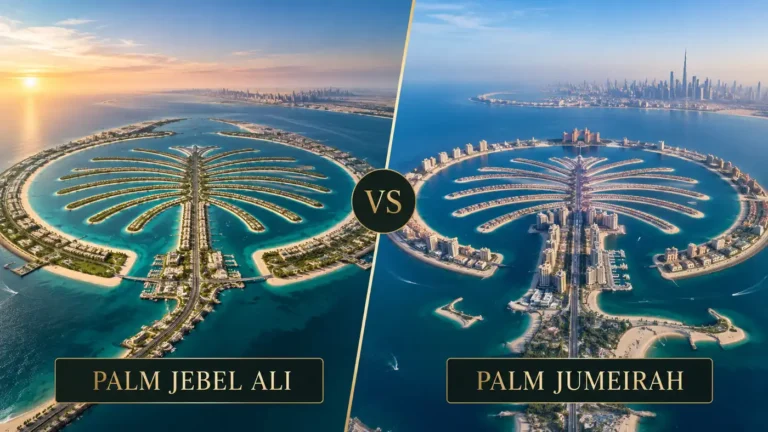
But not all properties in Dubai perform the same. A luxury penthouse on the Palm Jumeirah might offer incredible prestige and capital growth, but a modest one-bedroom apartment in Jumeirah Village Circle (JVC) will almost certainly put more cash in your pocket every month relative to its purchase price.
If you want to make smart investment decisions, you need to understand the numbers. You need to know exactly how to calculate your returns, the hidden costs, and which neighborhoods are currently delivering the best cash flow.
Why Dubai Remains a Global Leader for Rental Returns in 2026
Before we go to the calculations, it is helpful to understand why Dubai consistently delivers such high numbers.
In most major global cities, a gross rental yield of 3% to 4% is considered standard. In Dubai, investors routinely expect gross yields between 6% and 8%, with certain high-performing areas giving above 9%.
Several key factors drive this performance in 2026:
- Zero Income Tax: This is the biggest advantage. In cities like London or Toronto, you lose a massive chunk of your rental income to the government. In Dubai, the UAE levies zero personal income tax on residential rental earnings.
- Zero Annual Property Tax: There are no annual municipal property taxes based on the assessed value of your home.
- Massive Population Growth: Dubai's population continues to surge. The government's push to expand the economy, attract global talent, and issue long-term Golden Visas brings thousands of new expatriates to the city every month. Every new arrival needs a place to rent in Dubai.
- Favorable Purchase Prices: Compared to other global hubs, the price per square foot to buy a property in Dubai remains relatively affordable. When you combine a lower purchase price with high tenant demand, it automatically increases the yields.
Understanding Rental Yield: Gross vs. Net Returns
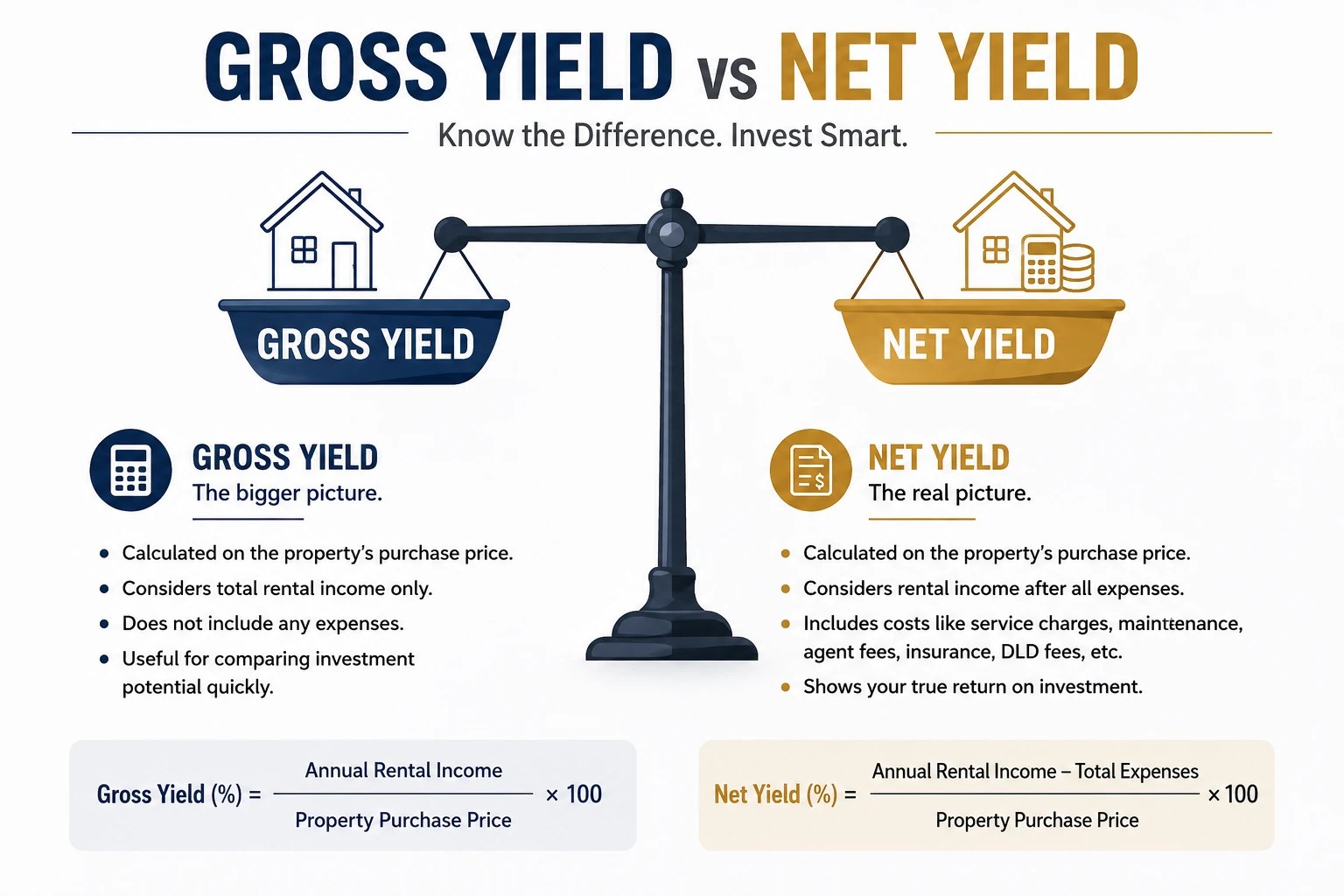
The biggest mistake new investors make is confusing gross yield with net yield. When a developer or a real estate agent advertises an "8% ROI," they are almost always talking about the gross yield.
You can't get the gross yield. You have to calculate the net yield to know your actual profit.
What is Gross Rental Yield?
Gross yield is the total rental income generated by the property in a year, divided by the purchase price of the property. It does not account for any of the costs associated with owning or running the property.
What is Net Rental Yield?
Net yield is the actual cash flow after you pay all the expenses required to keep the property running. These expenses include service charges, property management fees, maintenance costs, and insurance. This is the only number that truly matters for your investment portfolio.
How to Calculate Gross Rental Yield
The formula for calculating gross rental yield is very simple:
A Real-World Example:
Let's say you buy a one-bedroom apartment in Dubai Silicon Oasis.
- Property Purchase Price: AED 800,000
- Total Annual Rent: AED 68,000
- Calculation: (68,000 / 800,000) = 0.085 0.085 x 100 = 8.5% Gross Yield
An 8.5% gross yield is an excellent starting point. However, this number does not reflect reality because you have bills to pay.
How to Calculate Net Rental Yield
To find your true return on investment, you must calculate the net yield.
The formula is:
Let's use the exact same apartment from the previous example, but this time we will factor in the standard costs of owning an apartment in Dubai.
Identifying the Annual Expenses:
- Service Charges: AED 12,000 (Paid to the building management for gym, pool, security, and hallway upkeep).
- Property Management Fee: AED 3,400 (Typically 5% of the annual rent, paid to an agency to handle the tenant, collect cheques, and organize repairs).
- Maintenance Allowance: AED 1,500 (A buffer for minor repairs like AC servicing or plumbing fixes).
- Total Annual Expenses = AED 16,900
The Net Yield Calculation:
- Total Annual Rent: AED 68,000
- Minus Annual Expenses: AED 16,900
- Net Annual Income: AED 51,100
- Calculation: (51,100 / 800,000) = 0.0638 0.0638 x 100 = 6.38% Net Yield
In this scenario, your 8.5% advertised gross yield becomes a 6.38% net yield in reality. A net yield of 6.38% is still incredibly strong by global standards.
Cash-on-Cash Return: Calculating Yield with a Mortgage
The calculations above assume you are buying the property with 100% cash.
But what if you are taking out a mortgage from a UAE bank?
If you use a mortgage, your "Purchase Price" is no longer the full value of the property. Your true investment is the cash you pay out of your own pocket (your down payment plus closing costs). The metric we use for this is called Cash-on-Cash Return.
The Formula:
A Real-World Mortgage Example:
Let's buy a villa in Town Square for AED 2,000,000. You are a non-resident investor, so the bank requires a 50% down payment.
Your Cash Outlay (The Investment):
- Down Payment (50%): AED 1,000,000
- DLD Transfer Fee (4%): AED 80,000
- Agency Fee (2%): AED 40,000
- Misc. closing costs: AED 10,000
- Total Cash Invested: AED 1,130,000
Your Income & Expenses:
- Annual Rent Collected: AED 140,000
- Annual Service Charges: AED 15,000
- Annual Mortgage Payments (Interest + Principal): AED 75,000
- Total Annual Cash Flow (Rent minus all costs and mortgage): AED 50,000
Calculation: (50,000 / 1,130,000) = 0.0442 0.0442 x 100 = 4.42% Cash-on-Cash Return
While a 4.42% cash return might seem lower than a cash buyer's yield, remember that the tenant is paying down your R1,000,000 mortgage for you. You are building massive equity in the property using someone else's money, while still putting positive cash in your pocket every single month.
Top Areas for the Highest Apartment Rental Yields in 2026
Apartments consistently generate higher rental yields than villas. They cost less to buy, making the rent-to-price ratio more favorable. Furthermore, the massive influx of young professionals moving to Dubai creates endless demand for studios, one-bedroom, and two-bedroom units.
Here are the top-performing areas for apartment rental yields in Dubai right now.
| Area / Community | Property Focus | Average Gross Yield | Key Tenant Profile |
|---|---|---|---|
| Dubai Investments Park (DIP) | Studios & 1-Beds | 8.0% – 9.0% | Industrial & corporate workers |
| Dubai Silicon Oasis (DSO) | 1-Bed & 2-Beds | 8.0% – 9.0% | Tech workers, university staff |
| Jumeirah Village Circle (JVC) | Studios & 1-Beds | 7.5% – 8.5% | Young professionals, couples |
| Dubai Sports City | Studios & 1-Beds | 7.5% – 8.2% | Fitness enthusiasts, expats |
| Arjan | 1-Bed & 2-Beds | 7.0% – 7.8% | Middle-income expats |
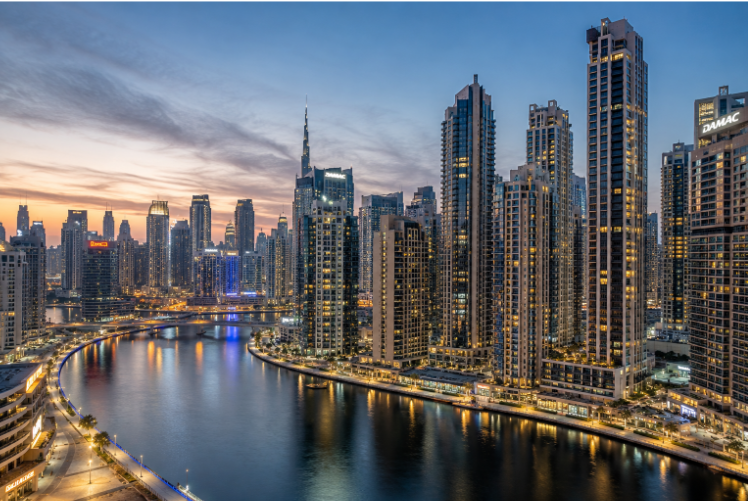
| Business Bay | Studios to 2-Beds | 6.0% – 7.0% | Corporate professionals |
| Dubai Marina | 1-Bed & 2-Beds | 6.0% – 6.8% | Tourists, corporate expats |
| Downtown Dubai | 1-Bed & 2-Beds | 5.5% – 6.5% | High-net-worth expats, tourists |
1. Dubai Investments Park (DIP)
Average Gross Yield: 8.0% – 8.6%
DIP operates as a massive mixed-use development combining industrial, commercial, and residential zones. This creates a built-in tenant base of professionals. The lower entry prices for apartments here allow investors to secure massive gross yields. For pure cash-flow investors, DIP is a top-tier choice.
2. Jumeirah Village Circle (JVC)
Average Gross Yield: 7.5% – 8.5%
JVC remains the king of rental yields in Dubai. It offers an incredible balance of affordability for buyers and convenience for tenants. The community is packed with parks, supermarkets, and gyms. It offers easy access to major highways. Because entry prices for studios and one-beds remain reasonable, investors routinely hit gross yields over 8%.
3. Dubai Silicon Oasis (DSO)
Average Gross Yield: 8.0% – 9.0%
DSO is a mature, self-sufficient community that attracts tech workers, students, and young families. It is located slightly further out from the beach districts, which keeps property purchase prices low. However, tenant demand is incredibly high. Tenants who move to DSO tend to stay for years, minimizing void periods and maximizing long-term returns for landlords.
4. Dubai Sports City & Motor City
Average Gross Yield: 7.5% – 8.2%
These neighboring communities offer larger apartment layouts. Tenants love the established infrastructure, the sports facilities, and the community feel. Investors love the relatively low price per square foot.
5. Arjan
Average Gross Yield: 7.0% – 7.8%
Located right next to the famous Miracle Garden, Arjan is experiencing massive growth. Several high-quality, boutique developers have completed striking residential towers here in recent years. It attracts tenants who are priced out of JVC but still want brand-new amenities and easy access to the Umm Suqeim Road corridor.
6. Business Bay
Average Gross Yield: 6.0% – 7.0%
Business Bay is the commercial hub of Dubai. It neighbors Downtown Dubai but offers a slightly lower price point. Yields here are slightly lower than in the suburban communities because the purchase prices are higher. However, Business Bay offers incredible liquidity. If you ever need to sell your apartment quickly, there is always a buyer waiting. It is also an absolute goldmine for the short-term Airbnb rental market.
7. Dubai Marina
Average Gross Yield: 6.0% – 6.8%
This is the premier waterfront district in Dubai. Purchase prices are high, which compresses the gross yield slightly. However, Dubai Marina offers unmatched market liquidity. It is the absolute best performing area for short-term holiday homes. If you furnish the unit and list it on Airbnb, your net returns will often outpace traditional 12-month leases
7. Downtown Dubai
Average Gross Yield: 5.5% – 6.5%
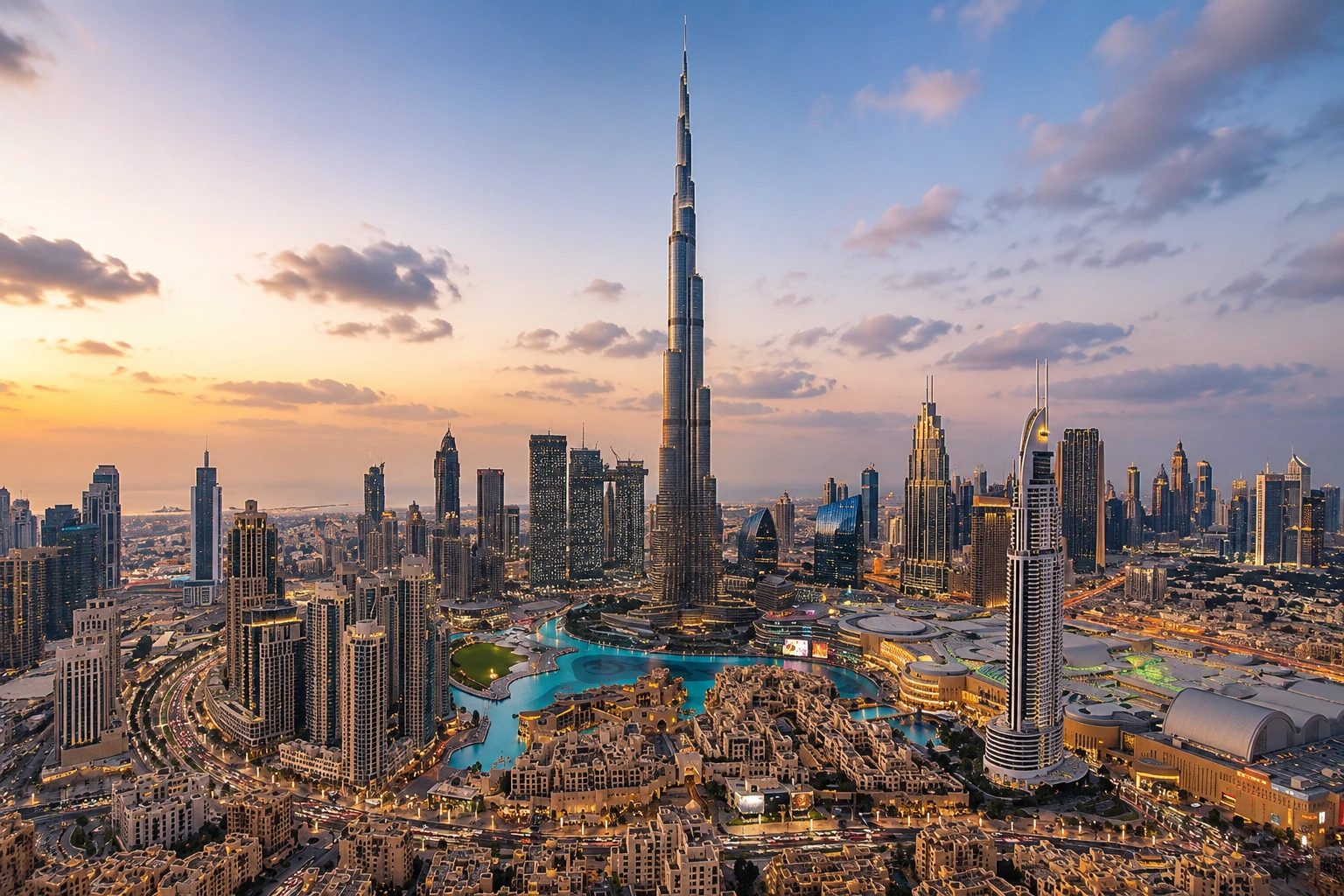
While the percentage yield is lower due to premium purchase prices, Downtown Dubai is the ultimate address in Dubai. It offers luxury and zero vacancy risk. Because it is next to the Burj Khalifa and Dubai Mall, it is one of the best communities for short-term rentals in Dubai.
Top Areas for Villa and Townhouse Rental Yields in 2026
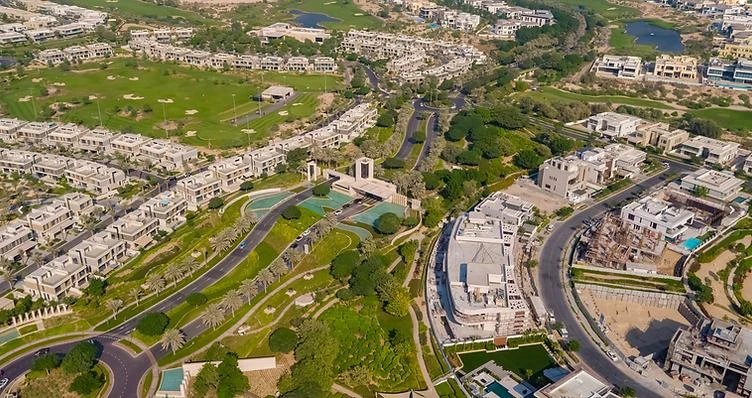
Villas and townhouses generally offer lower rental yields than apartments. The purchase prices are significantly higher, which lowers the percentage down.
However, villas offer far superior capital appreciation over the long term. They also attract stable, long-term family tenants who treat the property like their own home. If you prioritize stability and capital growth over pure cash flow, townhouses are the right asset class.
| Area / Master Community | Unit Type | Average Gross Yield | Strategic Advantage |
|---|---|---|---|
| Damac Hills 2 | 3 & 4-Bed Townhouses | 6.5% – 7.2% | Lowest entry price point in the villa segment |
| Emaar South | 3-Bed Townhouses | 6.0% – 6.8% | Direct proximity to Al Maktoum Airport expansion |
| Town Square | 3 & 4-Bed Townhouses | 6.2% – 6.8% | Established family parks, high occupancy rates |
| The Valley (Emaar) | 3 & 4-Bed Townhouses | 6.0% – 6.5% | New master-planned community with beach amenities |
| Dubai Hills Estate | 3 to 5-Bed Luxury Villas | 5.0% – 5.8% | Blue-chip capital growth and prime golf-course appeal |
1. Town Square
Average Gross Yield: 6.2% – 6.8%
Developed by Nshama, Town Square is highly popular with young families buying or renting their first home. It features massive parks, splash pads, and retail options. Townhouse prices here are very competitive, which allows landlords to achieve yields that rival some apartment districts.
2. Damac Hills 2
Average Gross Yield: 6.5% – 7.2%
Previously known as Akoya Oxygen, this community is one of the best areas for rental yield in Dubai. Because it is a 35-minute drive from the city center, property prices are the lowest in the villa segment. This low entry cost allows investors to achieve fantastic yields. Tenants are willing to make the commute in exchange for brand-new amenities, water parks, and outdoor cinemas.
3. The Valley (Emaar)
Average Gross Yield: 6.0% – 6.5%
The Valley is a massive new master-planned community by Emaar located on the Al Ain Road. As new phases hand over, we are seeing incredibly strong tenant demand. Buyers trust the Emaar brand, and tenants love the man-made beaches and sports villages. Getting in early on these newer master communities often locks in excellent yields as the area matures.
4. Emaar South
Average Gross Yield: 6.0% – 6.8%
Location is everything here. Emaar South is right next to the Expo City site and the Al Maktoum International Airport. With the government $35 billion expansion announcement, the logistics and aviation workforce demand becomes massive. Renting out a townhouse here to airport executives is a highly secure long-term play.
5. Dubai Hills Estate
Average Gross Yield: 5.0% – 5.8%
Dubai Hills is the premium suburban community in Dubai right now. It is built around a championship golf course and features its own massive shopping mall. The purchase prices for townhouses and villas here have skyrocketed, which pushes the yield percentage down. You do not buy a villa in Dubai Hills for a 7% yield; you buy it because the capital appreciation is phenomenal and the asset is blue-chip secure.
Short-Term Rentals (Airbnb) vs. Long-Term Leases
When calculating rental yields in Dubai, you have to decide on your leasing strategy.
Do you rent the property out on a standard 12-month contract, or do you list it on short-term platforms like Airbnb and Booking.com?
The Long-Term Rental Strategy
This is the traditional route. You find a tenant, sign a one-year Ejari tenancy contract, and collect rent via post-dated cheques.
The Pros: Your income is guaranteed for the year. You do not pay for the tenant's water, electricity, or internet. You do not have to buy furniture.
The Cons: Your gross yield is fixed. You cannot capitalize on peak tourist seasons.
The Short-Term (Holiday Home) Strategy
Dubai is one of the most visited cities in the world. Converting your apartment into a furnished holiday home can significantly boost your income.
The Pros: Short-term rentals can generate 20% to 30% more gross income than long-term leases, especially in prime tourist spots like Dubai Marina, Downtown Dubai, and Palm Jumeirah. You also have the flexibility to lease for the festive season and use the property yourself when you visit Dubai.
The Cons: The net yield is heavily impacted by costs. You must fully furnish the apartment to a high standard. You have to pay the monthly utility bills (DEWA) and internet on your own. Furthermore, holiday home management companies typically charge a 15% to 20% management fee to handle the constant cleaning, guest check-ins, and marketing.
The Verdict: If you own property in a prime tourist area (waterfront or Burj Khalifa views), short-term rentals will maximize your yield. If you own property in a suburban family community like JVC or Silicon Oasis, stick to long-term unfurnished leases for stable, hassle-free returns.
| Feature | Long-Term Unfurnished Lease | Short-Term Holiday Home (Airbnb) |
|---|---|---|
| Target Locations | JVC, Silicon Oasis, Arjan, Town Square | Downtown Dubai, Palm Jumeirah, Dubai Marina |
| Average Gross Yield | 6.5% – 8.5% | 9.0% – 12.0% (Peak seasons) |
| Furnishing Cost | AED 0 (Tenant furnishes) | AED 25,000 – AED 60,000+ upfront |
| Management Fees | 5% – 8% | 15% – 20% |
| Utility Bills (DEWA) | Paid by the tenant | Paid by the landlord |
| Income Stability | Guaranteed fixed income | Seasonal fluctuations (summer dips) |
The Hidden Costs That Impact Your Yield
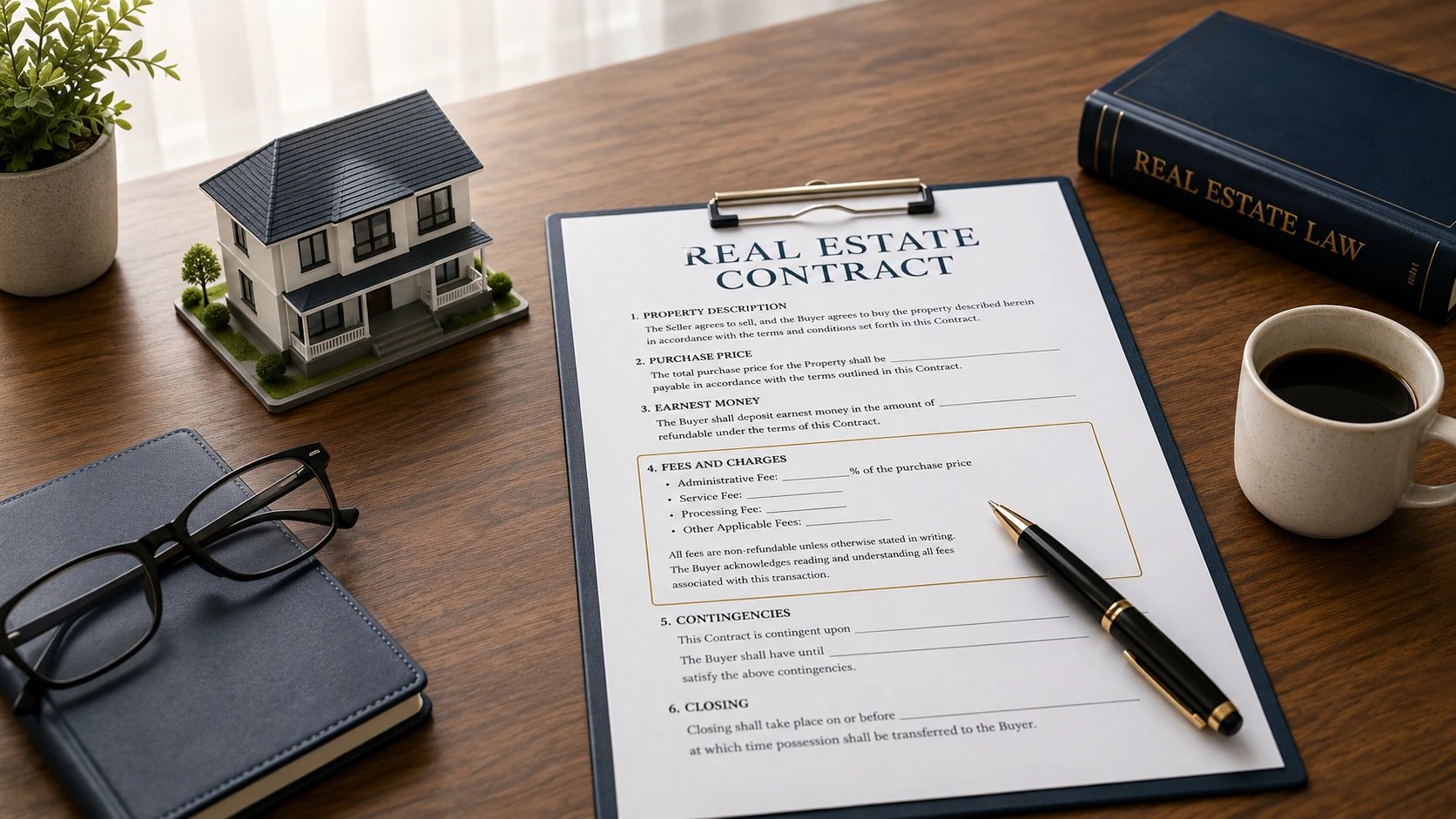
To accurately calculate your net rental yield, you must account for the costs of owning property in Dubai. Ignoring these will completely ruin your financial models.
1. Service Charges
This is the single biggest ongoing expense for any landlord. Service charges are calculated per square foot and are paid annually to the building management to maintain the common areas.
High-end buildings with infinity pools, valet parking, and massive gyms have high service charges. A luxury apartment in Downtown Dubai might charge AED 22 per square foot in service fees. A basic apartment in JVC might only charge AED 13 per square foot. High service charges will decrease your net yield. You can verify the historical service charges for any building on the official Dubai Land Department portal before you buy.
2. Property Management Fees
If you live outside of the UAE, you need a licensed property management agency to handle tenant issues, frequent management, and rent collection. Standard property management fees in Dubai range from 5% to 8% of the annual rental amount.
3. Maintenance and Snagging
Even brand-new properties experience wear and tear. Smart investors always withhold about 2% of their gross rental income in a separate account for a maintenance buffer.
4. DLD Fees (The Acquisition Cost)
While not a running cost, you must factor the 4% Dubai Land Department transfer fee into your initial ROI calculation. If you buy a property for AED 1,000,000, you actually need AED 1,040,000 to close the deal. This increases your capital outlay and slightly lowers your percentage yield in the first year.
Expert Tips to Maximize Your Rental Income
Achieving a 6% yield is easy in Dubai. Pushing your yield toward 8% or 9% requires strategy. Here is how professional investors maximize their returns.
1. Target Emerging Infrastructure
Do not buy where everyone else is buying today. Buy where the government is building tomorrow. Properties located within walking distance of the upcoming Blue Line Metro expansion will see massive spikes in tenant demand. Expanding your search to areas near the new Al Maktoum Airport expansion will yield incredible long-term results.
2. Buy Smaller Units
Studio and one-bedroom apartments consistently generate higher percentage yields than two-bedroom or three-bedroom apartments. The pool of single professionals and young couples is massive. If you have AED 2,000,000 to invest, buying two separate one-bedroom apartments will generate a higher combined rental yield than buying a single two-bedroom apartment.
3. Negotiate the Service Charges on Off-Plan
If you buy an off-plan property directly from a developer, negotiate the fees. Developers often run promotions where they will waive the service charges for the first 2 to 3 years after the building is completed. This immediately boosts your net yield during the initial holding period.
4. Furnish Long-Term Rentals
There is a growing demand in Dubai for fully furnished apartments. Many expats moving to the city do not want the hassle of buying furniture. Spending AED 20,000 to furnish a one-bedroom apartment can allow you to increase the asking rent by AED 15,000 per year. The furniture pays for itself in just over a year, and after that, it is pure profit.
5. Price it Right to Avoid Void Periods
Overasking sometimes left the property vacant. If a landlord asks AED 80,000 a year, but the market rate is AED 75,000, the property might be vacant for two months. Losing two months of rent costs more than following the market standard to secure a good tenant immediately.
Secure Your High-Yield Investment in Dubai
Dubai's real estate market offers an unparalleled opportunity to generate tax-free, high-yield passive income. But numbers on a spreadsheet only tell half the story.
To achieve the best possible returns, you need to match the right property type with the right neighborhood, while accurately forecasting the true running costs. Whether you are looking for a high-cash-flow apartment in Jumeirah Village Circle or a stable, long-term townhouse investment in Emaar South, expert guidance is essential.
Do not guess with your capital. Let us run the exact math on your next investment.
Request a personalized yield estimate today. Our property advisors will provide you with a detailed breakdown of expected gross returns, hidden service charges, and true net ROI on the top-performing properties in Dubai.
FAQ
What is a good rental yield in Dubai?
A good gross rental yield in Dubai is between 6% and 8%. Anything above 8% is considered exceptional. Net yields typically fall between 5% and 6.5% after deducting service charges and management fees.
Do I pay tax on rental income in Dubai?
No. The UAE does not levy any personal income tax on residential rental earnings. The rent your tenant pays is 100% credited to your account.
Are apartments or villas better for rental yields?
Apartments generally generate high rental yields because the buying price is lower compared to the rent you can charge. Villas and townhouses typically offer lower yields (5% to 6%) but provide superior long-term capital appreciation.
Who pays the service charges in Dubai, the landlord or the tenant?
By law, the landlord is entirely responsible for paying the annual building service charges. You cannot pass this specific cost onto the tenant. The tenant is responsible for their own utility bills and the municipality housing fee.
Should I use a property management company?
If you live outside the UAE, using a property management company is highly recommended. For a fee of 5% to 8% of the rent, they handle tenant emergencies, coordinate maintenance, register the legal contracts (Ejari), and deposit the funds into your account.
What is the 2% rule for properties?
The 2% rule suggests a property is a good investment if the monthly rental income equals or exceeds 2% of the total purchase price. It is rarely achievable today.
Which property in Dubai is the best for an investment?
Smaller units like studios and one-bedroom apartments in emerging master communities offer the highest rental yields, while townhouses in new developments provide superior long-term capital appreciation potential.
What is the most affordable area to rent in Dubai?
International City, Deira, and Al Qusais are among the most affordable areas for renters, offering lower annual lease rates while still providing basic community amenities and public transport access.
What areas in Dubai have the biggest rent drops?
Historically, older areas with massive new supply or aging infrastructure, along with ultra-luxury segments during market corrections, experience the most noticeable rent drops compared to high-demand suburban family communities.
Where do low-income people live in Dubai?
Lower-income workers and expatriates typically reside in more affordable districts like International City, Sonapur (Muhaisnah), Al Quoz residential camps, and older parts of Deira and Bur Dubai.
Where can I find cheap houses to rent in Dubai?
You can find budget-friendly housing in International City, Al Nahda, and Dubai Silicon Oasis. Searching property portals like Property Finder and Bayut helps locate the best current deals.
What is the most expensive rental property in Dubai?
The most expensive rentals are ultra-luxury bespoke villas on Palm Jumeirah, Emirates Hills, and Jumeirah Bay Island, where annual leases can easily exceed tens of millions of Dirhams.
What's the average rent in Dubai?
In 2026, average rents vary widely by location. A standard one-bedroom apartment typically ranges between AED 60,000 to AED 110,000 annually, depending entirely on the neighborhood and building amenities.
Which area of Dubai is the most expensive to live in?
Palm Jumeirah, Jumeirah Bay Island, Emirates Hills, and Downtown Dubai are the most exclusive and expensive areas, offering ultra-luxury amenities, premium waterfront views, and proximity to major attractions.