
The biggest mistake off-plan buyers make in Dubai is budgeting only for the property price. The Dubai Land Department (DLD) charges a set of mandatory fees on every purchase — for a standard cash off-plan deal these come to roughly 4.3% to 4.5% of the price, and climb further once a mortgage or resale is involved. At the centre sits the 4% transfer fee, registered through the Oqood interim system and generally due within 60 days of signing your Sales and Purchase Agreement (SPA). This guide breaks down every DLD fee an off-plan buyer pays — the core 4%, trustee charges, title deed costs, mortgage and NOC fees — with a worked example so you know exactly what to budget. Because these are government charges, they sit entirely outside your developer’s construction payment plan — and under UAE Central Bank rules they can’t be rolled into your mortgage. You need to hold this as separate, unfinanced cash. Table of Contents What Are DLD Fees & Oqood Registration? The Core 4% DLD Fee Full DLD Fee Breakdown for Off-Plan Buyers Off-Plan vs Ready: When You Pay Additional & Situational Costs Worked Example: AED 1.5M Off-Plan Who Pays the DLD Fee? Payment Methods & the 60-Day Deadline What’s Negotiable? Developer Fee Waivers AEO: Frequently Asked Questions What Are DLD Fees & Oqood Registration? DLD fees are the mandatory government charges paid to the Dubai Land Department to legally register a property purchase and protect the buyer’s ownership rights. The DLD is the government body that regulates and records every real estate transfer in the emirate. They apply to every transaction in Dubai — whether you buy a ready unit or an off-plan property registered through the Oqood off-plan registration system. These fees are set by the DLD, are non-negotiable, and cannot be waived, although the timing of payment differs for off-plan purchases. For a unit still under construction, ownership can’t yet sit on a standard title deed. Instead the purchase is recorded through Oqood — the DLD’s interim digital registry for off-plan property — which legally protects your rights before the building is finished. When the project completes, your Oqood record converts into a permanent title deed. “At First Stone Real Estate, our advisory team has structured and facilitated over AED 350M in off-plan acquisitions. In our experience, international buyers most often assume these government registration costs can be folded into their bank financing — they can’t.” — First Stone Real Estate advisory desk The Core 4% DLD Fee The headline charge on any Dubai property purchase is the 4% DLD transfer (registration) fee, calculated on the agreed purchase price. It is the single largest cost in the transaction. By Dubai market convention this is paid in full by the buyer, although the law frames it as a buyer obligation and the split can in principle be negotiated. For off-plan units, this 4% is processed through the Oqood system rather than a standard title-deed transfer. Full DLD Fee Breakdown for Off-Plan Buyers Fee Amount (2026) Notes DLD transfer fee (via Oqood) 4% of price Largest single cost Off-plan contract admin fee ~AED 40 vs AED 580 for ready property Trustee / registration office fee AED 2,100 – 4,200 (incl. VAT) AED 2,100 under AED 500k; AED 4,200 at/above Title deed issuance ~AED 250 At handover / title conversion Map / affection plan fee ~AED 250 Property documentation Knowledge + innovation fees ~AED 20 AED 10 + AED 10, nominal Cash, primary off-plan purchase: with no mortgage and no agent (buying directly from the developer), your DLD-side cost is essentially the 4% plus roughly AED 5,000 in fixed charges — around 4.3% of the price in total. Off-Plan vs Ready: When You Pay The key difference for off-plan buyers is timing, not the headline rate: Off-plan: registered via Oqood. On many off-plan deals the 4% is paid upfront at registration; in that case it is not charged again when the Oqood converts to a title deed at handover. The off-plan contract admin fee is only ~AED 40. Ready property: all DLD fees — the 4%, trustee fee, title deed (AED 580) — fall due together at the transfer appointment. When your cash actually goes out On an off-plan purchase the costs land across clear milestones rather than all at once: Booking: the developer’s reservation down-payment, typically 10%–20% of the price. Oqood registration (within ~60 days): the 4% DLD fee and the trustee balance are cleared here — on many deals the 4% is paid upfront at this stage. Construction milestones: your instalments go into a project-specific, RERA-regulated escrow account, kept separate from your registration balances. Handover: the title-deed issuance fee (~AED 250), DEWA connection deposits, and your first prorated community service charges. Payment timing on off-plan can vary by developer and project, so always confirm the exact schedule before signing. Additional & Situational Costs Beyond the core DLD charges, these may apply depending on how you buy: Cost Amount When It Applies Mortgage registration 0.25% of loan + ~AED 290 If financing with a bank Developer NOC fee AED 500 – 5,000 Mainly off-plan resale; usually seller pays Agent commission ~2% + 5% VAT Resale / secondary purchases For example, a bank mortgage of AED 1,000,000 adds about AED 2,790 in registration cost (0.25% + AED 290). If you exit before handover, budget the developer NOC (AED 500–5,000, usually seller-paid) plus a ~2% agent commission — off-plan resales are processed through the Dubai REST app. Important: Per UAE Central Bank rules, DLD fees cannot be added to or financed by your mortgage — they must be paid in cash at registration. Worked Example: AED 1.5M Off-Plan Unit Here is the exact upfront cash for an off-plan unit priced at AED 1,500,000, bought in cash directly from the developer: Item Cost 4% DLD fee (AED 1,500,000) AED 60,000 Off-plan contract admin (Oqood) AED 40 Trustee / registration office fee AED 4,200 Title deed + map + knowledge/innovation ~AED 520 Estimated DLD-side total ~AED

What Is Oqood? Off-Plan Registration in Dubai Explained
If you are buying an under-construction property in Dubai, one term you will see again and again is Oqood. It is the official way the Dubai Land Department records your off-plan purchase before the building is finished — and it is your proof of ownership during construction. This guide explains exactly what Oqood is, how off-plan registration works, what it costs, and how it converts into a full title deed at handover. Table of Contents What Is Oqood? Meaning & Purpose of Oqood Oqood vs Title Deed The Law Behind Off-Plan Registration How Oqood Registration Works Documents Required Oqood Registration Fees & Costs Selling Off-Plan Before Handover From Oqood to Title Deed Why Oqood Matters for Foreign Buyers AEO: Frequently Asked Questions What Is Oqood? Oqood is the off-plan property registration system operated by the Dubai Land Department (DLD) through its Real Estate Developers Portal. When you buy a property that is still under construction, the developer registers your sale contract on the Oqood platform and the DLD issues you an Oqood certificate — a provisional record of ownership recorded in Dubai’s interim (pre-title) register. In simple terms: a finished property gets a title deed; an off-plan property gets an Oqood certificate until it is completed. Both are issued and backed by the DLD. This system exists to protect buyers and create a transparent, government-verified record of every off-plan transaction. If you are weighing a new launch, you can explore off-plan projects across the UAE that are registered through this framework. Meaning & Purpose of Oqood The word “Oqood” (عقود) is Arabic for “contracts” — which reflects its core function: officially documenting the sale-and-purchase agreement (SPA) between a developer and a buyer for an off-plan unit. Its main purposes are to: Create a legal, government-verified record of your off-plan purchase. Protect buyer rights before a physical property exists. Ensure developers comply with DLD and RERA regulations. Provide proof of ownership that supports financing, resale and handover. Oqood vs Title Deed: The Difference Feature Oqood Certificate Title Deed Applies to Off-plan / under-construction units Completed (ready) properties Register Interim / provisional register Main real estate register Status of ownership Provisional, recorded with DLD Full, final ownership Issued by Dubai Land Department (via Oqood) Dubai Land Department When issued After SPA is registered At project completion / handover The Law Behind Off-Plan Registration Oqood is not just an administrative step — it sits on a clear legal foundation: Law No. 13 of 2008 — regulates the Interim Real Estate Register, where off-plan units must be recorded. An off-plan sale that is not registered in this interim register is not legally complete. Law No. 8 of 2007 (Escrow Accounts) — requires that buyer payments for off-plan projects go into a RERA-supervised escrow account, released to the developer only against verified construction progress. Buyer tip: Under DLD rules, the developer must register the signed SPA in the interim register via Oqood within the deadline set by the DLD. Always confirm your Oqood certificate has been issued — it is your proof that the purchase is officially on record. How Oqood Registration Works Reserve the unit — sign a booking/reservation form and pay the booking amount. Sign the SPA — the sale-and-purchase agreement is executed between you and the developer. Developer submits to Oqood — via the “Request to register the initial sale” service on the DLD’s Developers Portal. Fees are paid — DLD registration fees are settled (see the costs section below). Oqood certificate issued — the DLD records the sale in the interim register and issues your provisional certificate. The registration itself is typically completed quickly (often within around 20 minutes at the portal/trustee stage), though developer timelines for submitting the SPA can vary. Documents Required Buyer’s valid passport (and Emirates ID, if a UAE resident). Signed reservation/booking form. Signed Sale & Purchase Agreement (SPA). Proof of payment / deposit receipts. Developer and project details registered with RERA. Oqood Registration Fees & Costs The headline cost of off-plan registration is the same 4% DLD fee that applies to property purchases in Dubai, processed through Oqood, plus smaller administrative and service charges: Cost Typical Amount DLD fee (via Oqood) 4% of property value Oqood / off-plan contract admin fee ~AED 40 (off-plan contract) Trustee / service-partner fee AED 2,100 – 4,200 (incl. VAT), by value Knowledge & innovation fees Nominal (a few AED) Title deed admin fee (at handover) ~AED 250 – 580 Note on the 4%: Payment timing can vary by developer and project — on many off-plan deals the 4% is paid upfront at Oqood registration, and in that case you are not charged it again when the Oqood converts to a title deed at handover. Registration fees should be settled within the DLD’s deadline (generally 60 days) to avoid penalties. Always confirm the exact schedule with your developer and the DLD. Selling Off-Plan Before Handover You can resell an off-plan unit before completion. When you do, the Oqood certificate is transferred from your name to the new buyer through the DLD. A developer No Objection Certificate (NOC) is required before the DLD will process this transfer, confirming that all dues to the developer are settled. This makes Oqood central to Dubai’s active off-plan resale market. From Oqood to Title Deed When the project is completed and the property is handed over, your provisional Oqood certificate converts into a full title deed issued by the DLD — giving you final, registered ownership. At this stage a small title deed administrative fee applies, and you receive the keys to a property that is now fully recorded in the main real estate register. Why Oqood Matters for Foreign Buyers For overseas investors, Oqood is the layer of protection that makes Dubai’s off-plan market trustworthy. It guarantees a government record of your purchase, links your payments to RERA escrow safeguards, and gives you a transferable, verifiable asset even before construction finishes. Combined with Dubai’s designated freehold areas for foreign buyers, it makes off-plan one
Freehold Areas in Dubai: Full List for Foreign Buyers
Dubai is one of the few global cities where a non-resident can own property outright — land included — with no annual property tax and no capital gains tax. For overseas investors, the key is understanding exactly where foreign ownership is permitted. These zones are called freehold areas in Dubai, and this guide gives you the full list of designated communities, the law behind them, costs, visa benefits and the buying process for foreign buyers in 2026. Table of Contents What Is a Freehold Area in Dubai? The Law Behind Foreign Ownership Freehold vs Leasehold Freehold Areas for Apartments Freehold Areas for Villas Mixed Freehold Communities Best Freehold Areas by ROI Costs & Fees for Foreign Buyers Residency & Golden Visa Benefits How to Buy Freehold Property AEO: Frequently Asked Questions What Is a Freehold Area in Dubai? A freehold area is a government-designated zone where foreign nationals — of any nationality, resident or not — can buy property and the land beneath it with 100% ownership. As a freehold owner you can live in, rent out, mortgage, sell or pass on the property to your heirs, with no time limit on ownership. This is the same ownership right available to UAE and GCC nationals. Outside these designated zones, foreigners are generally limited to leasehold or usufruct rights for up to 99 years rather than full ownership. That is why confirming a property sits inside a recognised freehold zone is the single most important first step for any overseas buyer. If you are weighing a new launch, you can explore off-plan projects across the UAE that already sit within these approved freehold communities. The Law Behind Foreign Ownership Freehold ownership for foreigners is anchored in two pieces of legislation administered by the Dubai Land Department (DLD): Law No. 7 of 2006 (Real Property Registration Law) — established the official property register and the right of foreign nationals to hold freehold interests within designated areas, with ownership evidenced by a DLD-issued title deed. Regulation No. 3 of 2006 (Article 3) — names the specific zones where non-UAE nationals may own real property. This list of designated areas is reviewed and expanded periodically. Buyer tip: Always confirm a property’s freehold status and the seller’s ownership using the DLD’s official Title Deed Verification service before paying any deposit. For off-plan purchases, all payments must go into a RERA-supervised escrow account. Freehold vs Leasehold: The Key Difference Feature Freehold Leasehold / Usufruct Ownership of land Yes, full and indefinite No — rights for up to 99 years Right to sell / mortgage Yes, without restriction Restricted; often needs landlord consent Inheritance Yes, transferable to heirs Limited to lease term Modifications Owner’s discretion Requires freeholder approval Available to foreigners In designated areas only More widely available Freehold Areas in Dubai for Apartments These communities are best known for apartments and serviced residences — ideal for high-yield, lower-entry investment. Many here are also active off-plan markets. Area Known For Downtown Dubai Burj Khalifa & Dubai Mall; premium tenant demand Dubai Marina Waterfront high-rises; most sought-after rental zone Business Bay Central business-meets-residential hub Jumeirah Beach Residence (JBR) Beachfront living & holiday-let demand Jumeirah Lake Towers (JLT) Value apartments with free-zone access DIFC Financial district; luxury city apartments Dubai Creek Harbour Emerging waterfront masterplan Dubai Harbour & Bluewaters Island Marina + Ain Dubai lifestyle addresses Arjan, Liwan, Remraam, Discovery Gardens Affordable, family-friendly apartment pockets The Greens, The Views, Old Town, Culture Village Established mid-market communities Freehold Areas in Dubai for Villas For families and long-term holds, these gated villa communities offer space, greenery and strong capital appreciation. Browse our Dubai community guides for full breakdowns of each. Area Known For Emirates Hills Dubai’s most exclusive villa address Arabian Ranches 1, 2 & 3 Premier family villa communities The Springs, The Meadows, The Lakes Emirates Living lakeside villas Jumeirah Islands & Jumeirah Park Nakheel waterfront & family villas The Villa & Reem (Mira) Spacious value villas & townhouses The Sustainable City UAE’s pioneering net-zero community Tilal Al Ghaf Luxury lagoon-living masterplan Mixed Freehold Communities (Apartments + Villas) These masterplanned zones offer a full spread of apartments, townhouses and villas — strong for both end-users and investors building a diversified portfolio. Area Known For Palm Jumeirah Iconic waterfront luxury & branded residences Dubai Hills Estate Golf-course living by Emaar & Meraas Mohammed Bin Rashid City (MBR City) Central lagoon & mansion district Jumeirah Village Circle (JVC) & JVT High-ROI, family-friendly value zones DAMAC Hills & Mudon Golf & gated suburban living Dubai South Al Maktoum Airport & Expo City growth corridor Al Furjan, Dubai Sports City, Motor City Established mid-market all-rounders Dubai Silicon Oasis, International City, Dubailand Affordable, high-yield investor favourites Meydan City, Town Square, Al Barari Lifestyle-led upscale communities Jumeirah Golf Estates, Dubai Festival City Golf & waterfront resort living Best Freehold Areas by Rental Yield (ROI) Returns vary by area, unit type and market cycle. As a general guide, affordable apartment communities tend to deliver the highest gross rental yields, while prime villa districts focus on long-term capital appreciation. Indicative gross yields seen across recent cycles: International City & Dubai Sports City — among the strongest apartment yields (often in the high single digits). JVC & Dubai Silicon Oasis — reliable mid-to-high yields with steady tenant demand. The Springs & Arabian Ranches — solid villa yields with strong resale appreciation. Downtown & Palm Jumeirah — lower yields but premium prestige and capital growth. Match the metric to your goal: yield-seekers should favour affordable apartment zones; prestige and appreciation buyers should target prime villa and waterfront districts. Costs & Fees for Foreign Buyers Cost Typical Amount DLD transfer fee 4% of purchase price Registration / trustee office fee AED 2,000 – 4,200 Title deed issuance ~AED 250 – 580 Agency commission ~2% of price Developer NOC fee Varies by developer Mortgage registration (if financed) 0.25% of loan amount Annual property tax / capital gains tax None Residency & Golden Visa Benefits Freehold ownership can unlock UAE residency, a

Can Foreigners Buy Property in Dubai? Rules Explained (2026)
Can Foreigners Buy Property in Dubai? Rules Explained (2026) | First Stone Real Estate Updated June 2026 By First Stone Real Estate · 11 min read · Dubai Property Rules Quick Answer: Can foreigners buy property in Dubai? Yes — foreigners of any nationality can buy property in Dubai with 100% freehold ownership in 70+ designated areas. No visa or residency is required; a valid passport is enough, and the purchase can even be completed remotely from abroad. Invest AED 750,000+ and you can apply for a 2-year residency visa; AED 2 million+ qualifies for the 10-year Golden Visa. What’s in this guide The law: can foreigners buy? Freehold vs leasehold vs usufruct Where foreigners can buy (areas) Do you need a visa to buy? Documents required Mortgages for non-residents Property → UAE visa rules Taxes for foreign owners Inheritance & wills Other emirates’ rules FAQs It’s the first question every international buyer asks — from Mumbai to London to Riyadh: “Can I, as a foreigner, actually own property in Dubai?” The answer is a clear yes, and it has been since 2002. But the details matter: where you can buy, what “freehold” really means, whether you need a visa, what taxes apply (almost none), and what happens to the property after you. This guide answers all of it, in plain language. It’s written by First Stone Real Estate — one of the UAE’s best off-plan property specialists. The majority of our clients are international buyers, many of whom complete their entire purchase without ever boarding a flight, so everything below comes from deals we close every week. Can Foreigners Buy Property in Dubai? What the Law Says Yes. Since 2002, foreign nationals of any country can buy, own, sell, lease and inherit property in Dubai’s designated areas with full 100% freehold ownership — formalised under Law No. 7 of 2006 and Regulation No. 3 of 2006, which list the communities open to foreign ownership. Your name goes on a government-issued title deed from the Dubai Land Department (DLD), exactly like a local owner’s. There are no nationality restrictions, no requirement to have a UAE sponsor or partner, and no limit on how many properties you can own. This is precisely why Dubai became one of the world’s most international property markets — and why off-plan launches from developers like Emaar, Damac and Sobha sell to buyers in 100+ countries. Freehold vs Leasehold vs Usufruct: What’s the Difference? Freehold means you own the property and a share of its land forever; leasehold and usufruct give you long-term rights to use it (up to 99 years) without owning the land. For foreigners in Dubai, freehold is the standard — but you’ll see the other terms, especially outside Dubai: Freehold Leasehold Usufruct Duration Forever (perpetual) Up to 99 years Up to 99 years You own Unit + share of land Right to occupy the unit Right to use & benefit Sell / mortgage / inherit Yes, fully Within lease terms Within contract terms Where you’ll see it Dubai designated areas, Abu Dhabi investment zones Some older Dubai districts Common in Sharjah for non-GCC buyers Where Can Foreigners Buy Property in Dubai? (Freehold Areas) Foreigners can buy in 70+ designated freehold areas — which today cover almost everything you’d actually want to buy in new Dubai. The reserved (non-freehold) districts are mainly older neighbourhoods like Deira, Bur Dubai and Al Barsha’s original villa zones. Here’s the freehold map by buyer type: If you want… Popular freehold areas open to foreigners Iconic / waterfront Palm Jumeirah, Dubai Marina, Emaar Beachfront, Bluewaters, Dubai Islands, Palm Jebel Ali, Dubai Harbour Central city living Downtown Dubai, Business Bay, City Walk, Za’abeel, DIFC High rental yields on a budget JVC, Arjan, Dubailand, Dubai South, Al Furjan, Town Square, Sports City Family villas & townhouses Dubai Hills Estate, Arabian Ranches, Damac Hills & Lagoons, The Valley, Tilal Al Ghaf, Emaar South Emerging growth corridors Dubai Creek Harbour, MBR City / Meydan, Expo City, Al Jaddaf, Dubai Maritime City Not sure which fits your goal? Our data-led guide to the best areas to invest in Dubai compares yields and growth area by area. Do You Need a Visa or Residency to Buy Property in Dubai? No. You don’t need a UAE visa, residency or Emirates ID to buy — a valid passport is the only personal document required. You can be on a tourist visa, or not in the country at all. The entire purchase — reservation, Sales & Purchase Agreement, payments and DLD registration — can be completed remotely, either digitally or through a power of attorney held by someone you trust (or by us). Payments can come from your overseas bank account; a UAE account is convenient but not mandatory. This is how a large share of First Stone’s clients buy: we shortlist on a video call, send documents for e-signing, and they receive their Oqood certificate in India, the UK or Saudi without a single flight. What Documents Do Foreigners Need to Buy? For a standard off-plan purchase: just your passport copy. That’s genuinely it at booking. Along the way you may also need: Proof of funds / source of funds — standard KYC for larger transfers (bank statements usually suffice). Attested marriage certificate — only if a couple wants joint ownership counted together for a visa application. Income documents — only if you’re applying for a mortgage (salary certificates or business financials). Power of attorney — only if someone signs on your behalf remotely. For the full purchase journey from booking to title deed, follow our step-by-step guide: how to buy off-plan property in Dubai. Can Foreigners and Non-Residents Get a Mortgage in Dubai? Yes. UAE residents (expats) can borrow up to 80% on a ready first home under AED 5M; non-residents can typically get 50–60% from selected banks, subject to income checks. Off-plan financing is capped at 50% for everyone under Central Bank rules — which is why most international off-plan buyers skip the
Off-Plan vs Ready Property in Dubai: Which Should You Buy?
Off-Plan vs Ready Property in Dubai: Which Should You Buy? (2026) | First Stone Real Estate Updated June 2026 By First Stone Real Estate · 10 min read · Off-Plan Buying Guide Quick Answer: Should you buy off-plan or ready property in Dubai? Buy off-plan if you want lower entry costs (5–20% down), launch prices and capital growth by handover. Buy ready if you need a home or rental income immediately and can fund 25%+ upfront. For investors with a 2–4 year horizon and limited capital, off-plan usually delivers the stronger total return. What’s in this guide Off-plan vs ready: the difference Side-by-side comparison table Upfront costs compared (real numbers) Which earns more? When to buy off-plan When to buy ready Risks of each (honest view) Mortgage rules for both The verdict FAQs Every Dubai buyer hits this question first: off-plan or ready? One side promises launch prices, 1% monthly installments and big appreciation by handover. The other promises keys in your hand and rent in your bank account from week one. Both sides are right — for different people. At First Stone Real Estate, one of the UAE’s best off-plan property specialists, we have this exact conversation with buyers every single day. And while off-plan is our specialty, this comparison is deliberately honest — because the worst investment is the right property bought by the wrong buyer. Here’s everything that actually differs between the two, with real numbers. What’s the Difference Between Off-Plan and Ready Property in Dubai? Off-plan property is bought directly from a developer before or during construction, paid in installments, and handed over 2–4 years later. Ready property is a completed home bought from its current owner on the secondary market, paid upfront or with a mortgage, with immediate possession. That single difference — when you get the keys — drives everything else: how much cash you need, how you finance it, when income starts, what fees you pay and where your returns come from. If you’re new to the off-plan process itself (Oqood, escrow, SPA, handover), read our step-by-step guide on how to buy off-plan property in Dubai first — this article assumes those basics. Off-Plan vs Ready Property: Side-by-Side Comparison Factor Off-Plan Ready / Secondary Upfront cash 5–20% down + 4% DLD (often ~14% of price total) 20–25% down + ~7% fees (mortgage buyers), or full price in cash Price level Launch pricing — typically 10–30% below comparable ready units Full current market price (some negotiation possible) Agent commission AED 0 — developer pays the broker ~2% + VAT paid by buyer Rental income Starts at handover (2–4 years) From day one Mortgage limit (LTV) Max 50% — most buyers use developer payment plans instead Up to 80% for expats (first home under AED 5M) Payment structure Interest-free installments, sometimes post-handover Lump sum or bank mortgage with interest Condition Brand new, latest layouts, developer warranty What you see — possibly older stock needing maintenance Main risk Delay or market shift before handover Overpaying, ageing building, tenant vacancy Capital appreciation Built-in: launch price → handover value Tracks the general market from full price Exit options Assignment resale after 30–40% paid (developer NOC) Sell anytime on the open market Golden Visa (AED 2M+) Qualifies (subject to current DLD conditions) Qualifies How Much Do You Pay Upfront? (AED 1M Example) For the same AED 1,000,000 apartment, an off-plan buyer starts with roughly AED 143,000, while a ready-property buyer using a mortgage needs around AED 270,000 — almost double. Here’s where the money goes: Cost item Off-Plan (AED 1M) Ready with mortgage (AED 1M) Down payment 10% = 100,000 20% = 200,000 DLD fee (4%) 40,000 (sometimes covered by developer promos) 40,000 + AED 580 admin Agency commission 0 2% + VAT = 21,000 Oqood / trustee fees ~3,000 (Oqood admin) ~4,200 (trustee office) Mortgage costs — 0.25% loan registration + valuation ≈ 5,000 Cash needed on day one ≈ AED 143,000 ≈ AED 270,800 Note: the off-plan buyer then pays installments over 2–4 years (interest-free), while the mortgage buyer pays EMIs with interest — but also collects rent from month one. That trade-off is the heart of this whole decision. Which Earns More: Off-Plan or Ready Property? Off-plan typically wins on capital appreciation; ready wins on immediate cash flow. The two return engines work differently: Off-plan returns come from buying at launch price and watching value rise as the tower goes up and the community matures. A unit launched 10–30% below ready-market levels has growth built into the deal — and because you’ve only paid a fraction of the price, the return on cash invested is amplified. Many investors don’t even wait for handover: they resell the unit before completion once 30–40% is paid, banking the uplift early. Ready returns come from rent. Dubai’s gross yields average around 6–7%, and in high-demand communities like JVC they can run higher. Income starts immediately, the asset is visible and tenanted, and there’s no waiting. The cost: you paid full market price, your entry capital was much larger, and appreciation simply follows the market. Want the area-level numbers? See our data breakdown of the best areas to invest in Dubai. When Should You Buy Off-Plan Property? Off-plan is the right choice when most of these describe you: Your capital is limited. You can deploy AED 140–200K today, not AED 270K+ — and installments suit your cash flow better than a mortgage. You’re investing for growth, not income. A 2–4 year horizon and you don’t need rent tomorrow. You want new build. Latest layouts, amenities, smart-home tech, warranty — and a decade before maintenance becomes a topic. You’re targeting the Golden Visa with installments. A AED 2M+ off-plan purchase can qualify you for the 10-year Golden Visa without paying AED 2M cash on day one. You want flip potential. Hot launches from developers like Emaar, Sobha or Binghatti often resell at strong premiums before handover. You’d rather avoid interest. Developer plans — including post-handover payment plans — are 0% interest
How to Buy Off-Plan Property in Dubai: Step-by-Step Guide (2026)
How to Buy Off-Plan Property in Dubai: Step-by-Step Guide (2026) | First Stone Real Estate Updated June 2026 By First Stone Real Estate · 12 min read · Off-Plan Buying Guide Quick Answer: How do you buy off-plan property in Dubai? To buy off-plan property in Dubai, choose a RERA-registered project in a freehold area, pay a booking deposit (usually 5–20%), sign the Sales & Purchase Agreement (SPA), register it with Oqood and pay the 4% DLD fee, then follow your payment plan until handover — when you receive the keys and your title deed. What’s in this guide What is off-plan property? Is buying off-plan safe? Why investors buy off-plan 9 steps to buy off-plan Total costs & fees Payment plans explained Rules for foreign buyers Off-plan vs ready property Mistakes to avoid FAQs Off-plan property is the engine of Dubai’s real estate market — the majority of all sales transactions in the city today are under-construction homes bought directly from developers like Emaar, Damac, Sobha and Nakheel. Buyers love it for one simple reason: you secure tomorrow’s property at today’s price, with a small down payment and interest-free installments instead of a big mortgage. But if it’s your first time, the process can feel confusing. What is an EOI? What exactly is Oqood? Where does your money actually go? This guide answers everything, step by step, in plain language. It’s written by the team at First Stone Real Estate — one of the UAE’s best off-plan property specialists. We work with every major Dubai developer, give you access to the same official prices (buying through us costs you zero commission, because developers pay us), and guide you from the first WhatsApp message to the day you collect your keys. Everything below is exactly what we walk our own clients through. What Is Off-Plan Property in Dubai? Off-plan property is real estate you buy directly from a developer before or during construction — based on floor plans, renders and a show apartment rather than a finished building. You pay in installments linked to construction progress, and take ownership at handover, typically 2–4 years after launch. The opposite is a ready (or secondary) property — a completed home bought from its current owner, paid largely upfront or with a mortgage. Off-plan dominates new investment in Dubai because of lower entry prices, flexible payment plans and strong capital appreciation between launch and completion. You can browse all current off-plan projects in Dubai on our site, updated with every new launch. Is Buying Off-Plan in Dubai Safe in 2026? Yes — Dubai is one of the safest places in the world to buy off-plan, as long as the project is RERA-registered. Under Dubai’s escrow law, every dirham you pay must go into a project escrow account supervised by the Dubai Land Department (DLD). The developer can only withdraw funds as independent inspectors verify construction milestones. Your money never sits in the developer’s pocket. On top of escrow protection, every legitimate project and developer can be verified in seconds on the official Dubai REST app, and your purchase is registered with the government through Oqood (more on that below). We’ve covered the risks, protections and red flags in detail in our guide: Is it safe to buy off-plan property in Dubai? Why Do Investors Buy Off-Plan Property in Dubai? Lower entry price. Launch prices are typically 10–30% below comparable ready units in the same area, which is where capital appreciation comes from. Small down payment, interest-free installments. Start with 5–20% down and spread the rest over construction — no bank, no interest. Brand-new property. Latest layouts, smart-home features and amenities, plus a developer warranty period after handover. Flip potential. Many investors resell (assign) their unit before handover at a profit — see our guide on selling off-plan before handover. Golden Visa route. Off-plan purchases of AED 2M+ can qualify you for the 10-year UAE Golden Visa. Zero commission. The developer pays the broker, so expert guidance costs the buyer nothing. How to Buy Off-Plan Property in Dubai: 9 Steps Here is the exact process, from first decision to title deed. For most buyers, steps 1–7 take one to two weeks; the rest follows your payment plan until handover. 1Set your budget and arrange finances Work out your total budget, not just the property price. Plan for the down payment (usually 5–20% of the price), the 4% DLD registration fee, a small Oqood admin charge, and your installment schedule. If you intend to use a mortgage, get pre-approval first — UAE banks typically finance up to 50% of an off-plan purchase — though most buyers simply use the developer’s interest-free payment plan instead. First Stone tip: Keep 6–7% of the property price aside for fees and small costs. If a payment plan needs AED 8,000/month and that stretches you, look one price bracket lower — missed installments can cost you the unit. 2Choose the right area Area choice decides your returns more than the tower’s facade does. Match the location to your goal: JVC and Arjan for affordable units with high rental yields; Business Bay and Downtown for short-let demand; Dubai South for long-term growth near Al Maktoum Airport; Dubai Creek Harbour and Dubai Hills Estate for premium family living. Compare options in our breakdown of the best areas to invest in Dubai. 3Shortlist a developer and project This is the step that protects you. Before paying anything, verify three things: the developer is registered with RERA, the project is registered with the DLD, and the project has an approved escrow account. All three can be checked on the Dubai REST app in minutes. Track record matters too — established names like Emaar, Sobha, Nakheel and Meraas command premium prices because they deliver; newer developers offer better prices and plans but deserve extra checking. 4Select your unit and payment plan Within a project, units differ by floor, view, layout and price per square foot. A lower-floor unit with a community view often out-earns
How Will the Al Maktoum Airport Expansion Impact Dubai South Off-Plan Prices in 2026
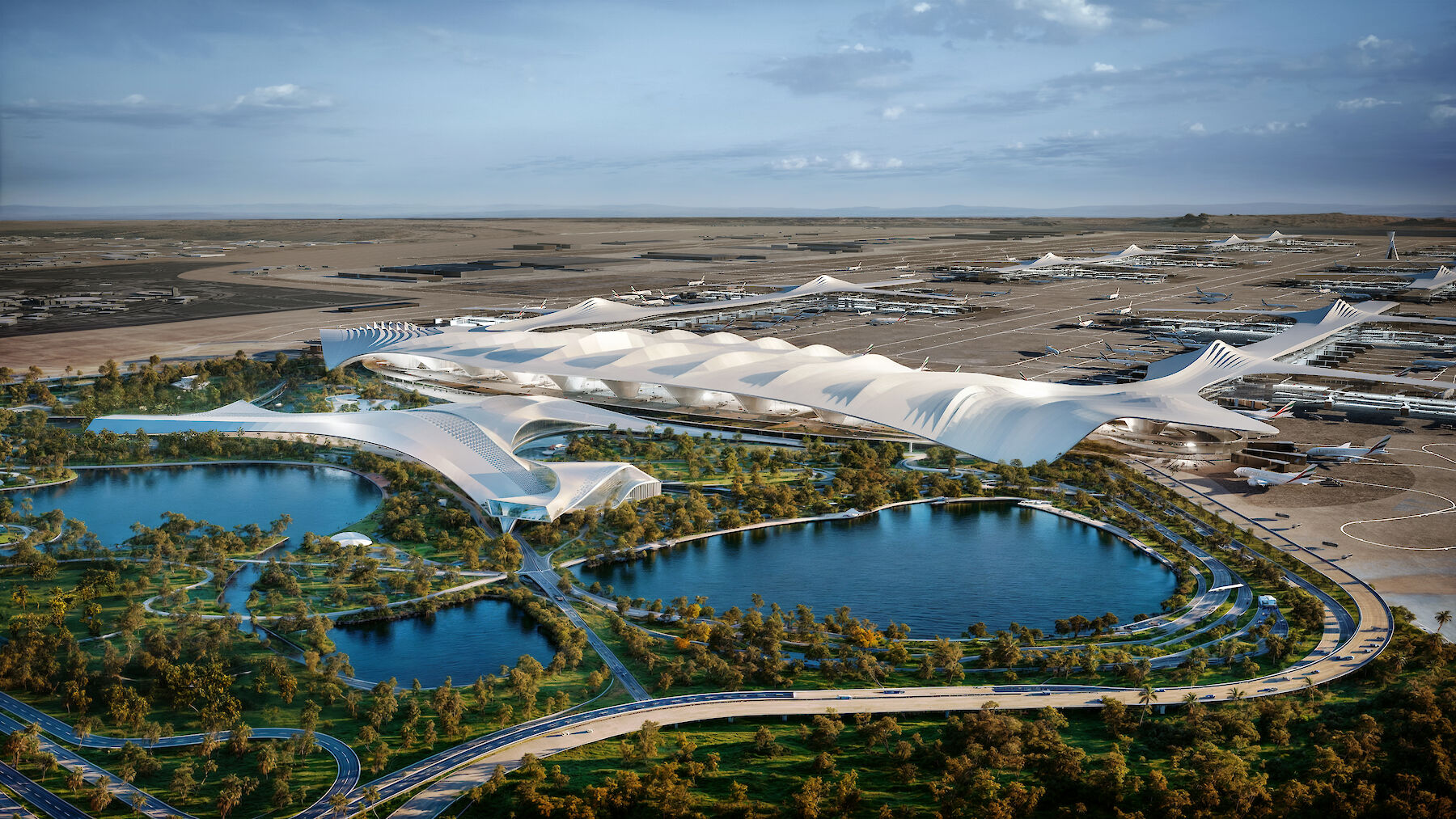
Table of Contents How Will the Al Maktoum Airport Expansion Impact Dubai South Off-Plan Prices in 2026? Dubai’s skyline has always been shaped by ambition — but what’s happening in Dubai South right now may be the most significant real estate story in the emirate’s history. The AED 128 billion expansion of Al Maktoum International Airport (DWC) is already reshaping property values, transforming a once-peripheral district into the UAE’s next major investment frontier. If you’re watching the Dubai off-plan market and haven’t yet turned your attention to Dubai South, here’s why 2026 may be the year you can’t afford to wait any longer. What Is the Al Maktoum Airport Expansion? Al Maktoum International Airport, also known as Dubai World Central (DWC), has been operational in limited capacity since 2010. That is about to change dramatically. The government-backed expansion, valued at approximately AED 128 billion (USD 35 billion), will transform DWC into one of the largest airports on the planet. When complete, the airport will feature: Five parallel runways Four terminal buildings Over 400 aircraft gates Capacity to handle 260 million passengers and 12 million tonnes of cargo annually To put that in perspective, Dubai International Airport (DXB) currently handles around 90 million passengers per year. Al Maktoum is being built to surpass that three times over — and all aviation operations from DXB are expected to gradually migrate to DWC over time. This is not a distant plan on paper. Contracts are being actively awarded, construction is well underway, and the momentum is already flowing into the surrounding real estate market. What is the Al Maktoum Airport expansion? Al Maktoum International Airport (DWC) is located in Dubai South. The AED 128 billion (~USD 35 billion) expansion will make it the world’s largest airport, with a capacity of 260 million passengers, five runways, and over 400 aircraft gates. All operations from Dubai International Airport (DXB) are expected to shift here gradually over time. How Is the Expansion Already Affecting Dubai South Property Prices? The market has responded decisively — and the data tells a compelling story. Transaction Volumes Have Surged Property transactions in Dubai South exceeded AED 15 billion in just the first five months of 2025 — nearly matching the entire AED 16.1 billion recorded for the full year of 2024. Going into 2026, that momentum has continued to be treated as a structural shift in demand rather than a short-term spike. Prices Have Already Risen 20–25% Since the announcement of the airport expansion, property prices in Dubai South have risen by an average of 20–25%. Analysts at Betterhomes and other leading agencies forecast a further increase of 15–20% in the near term, with steeper appreciation expected as construction milestones are reached. Rental Rates Are Rising in Step It is not just capital values that are climbing. Average annual rents in Dubai South rose by approximately 20% in 2025, driven by growing demand from aviation professionals, logistics workers, and service-sector employees relocating to the area. How much have Dubai South property prices increased? Since the airport expansion announcement, Dubai South property prices have risen by 20–25%. Rental rates also increased by 20% in 2025. In just the first five months of 2025, AED 15 billion in transactions were recorded — nearly matching all of 2024 (AED 16.1 billion). Analysts forecast a further 15–20% appreciation in the near term. The Pricing Gap: Why Dubai South Still Represents Value Despite the recent appreciation, one of the most striking features of the Dubai South market is how much room for growth remains. Current average sale prices in communities adjacent to Al Maktoum Airport: Dubai Industrial City: approximately AED 750 per sq. ft. Dubai Investment Park (DIP): approximately AED 850 per sq. ft. Compare that with established prime districts: Downtown Dubai: AED 2,000–2,500 per sq. ft. Business Bay: AED 2,000–2,500 per sq. ft. That is a pricing gap of roughly 60%. For investors seeking entry into Dubai real estate before appreciation compounds, this differential represents a meaningful opportunity — particularly in the off-plan segment where early-stage pricing and developer payment plans offer additional leverage. First Stone Real Estate currently lists off-plan properties in Dubai South from trusted developers including EMAAR, Danube, DAMAC, and Expo Dubai Group — all active in this corridor. Browse current listings at firststonerealestate.com/communities/dubai-south. What is the price difference between Dubai South and Downtown Dubai? Dubai South currently averages AED 750–850 per sq. ft. for off-plan properties. Downtown Dubai and Business Bay command AED 2,000–2,500 per sq. ft. That makes Dubai South approximately 60% more affordable than prime districts — and the entry window remains open. What Is Driving Long-Term Demand? The Al Maktoum Airport expansion is not simply an aviation story. It is the anchor of a much larger economic ecosystem. One Million New Jobs and Residents The terminal expansion is projected to create employment and housing demand for over one million people, with ripple effects across construction, aviation, logistics, hospitality, retail, and cargo sectors. The aviation sector alone is forecast to contribute more than 30% of Dubai’s GDP by 2030. Dubai South is being master-planned as a self-sufficient city — not a commuter suburb — where people will live, work, and access services within the district itself. The Aerotropolis Effect Major international airports that expand into genuine aerotropolis hubs consistently generate sustained property demand in surrounding areas. Historical precedent is clear: areas near Expo 2020 saw 30–50% price appreciation in the three years following the project announcement. The Al Maktoum expansion is a larger-scale catalyst with longer-term fundamentals. A Buyer Profile That Is Broadening What began as primarily an investor-driven market is now attracting families, aviation professionals, and owner-occupiers seeking well-planned communities with parks, schools, and retail access. Developers such as EMAAR — with 27 active off-plan projects across the UAE — and Danube Properties, known for its accessible 1% monthly payment plan, are actively launching projects in and around Dubai South. Both are available through First Stone Real Estate. Why will long-term demand in Dubai South keep growing?
Dubai Property Investment 2026
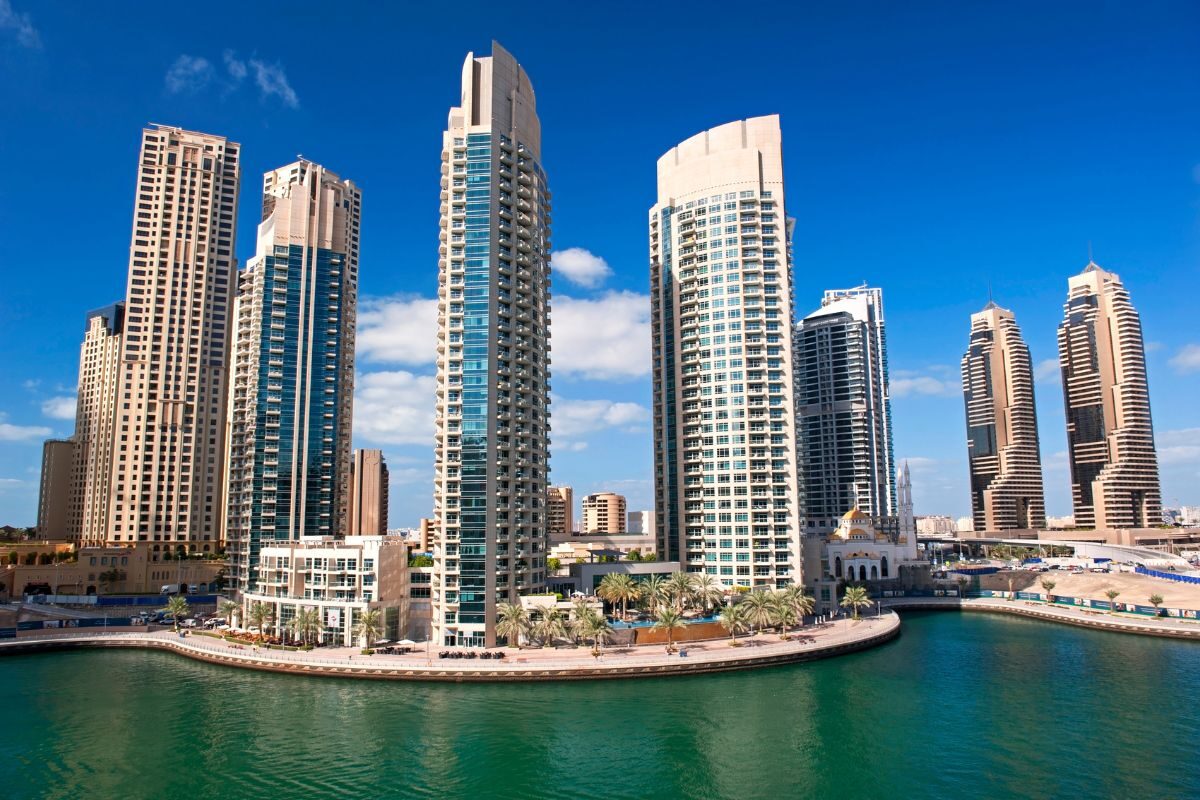
Table of Contents Dubai Real Estate Market Report 2026: Why Did Off-Plan Sales Hit a Record AED 73.4 Billion in Q1? Dubai’s real estate market just shattered its own record — and off-plan properties are leading the charge. Here is everything investors, buyers, and expats need to know about Q1 2026’s landmark performance. Q1 2026 at a Glance: The Numbers That Matter Before diving into the “why,” it helps to understand the scale of what happened in the first quarter of 2026: Metric Q1 2026 Figure Total market transaction value AED 176.7 billion Total transactions ~47,996 deals Off-plan sales value AED 73.4 billion (record high) Highest single-month sales ever AED 72.4 billion (January 2026) Off-plan share of transactions ~70% These are not incremental gains — they represent a fundamental shift in how Dubai property is being bought and by whom. So what is actually driving this surge? Why did off-plan sales in Dubai hit a record in Q1 2026? Dubai’s off-plan sales reached a record AED 73.4 billion in Q1 2026 due to a surge in major developer launches, flexible payment plans lowering entry barriers, growing international investor confidence, UAE Golden Visa incentives for property buyers, and a rapidly expanding professional resident base choosing ownership over renting. What Drove the AED 73.4 Billion Off-Plan Record? 1. A Wave of Major Developer Launches Late 2025 and early 2026 saw an unprecedented number of large-scale project launches from Dubai’s leading developers. High-profile launches across Dubai Marina, Downtown, Dubai Creek Harbour, and Jumeirah Village Circle created a pipeline of inventory that buyers moved quickly to absorb. Many of these launches sold out within days — or even hours — pushing transaction volumes to record highs before the end of January alone. The launch cycle has become self-reinforcing: strong absorption rates encourage developers to accelerate new releases, which in turn generate even greater transaction volume. This is a market running on genuine demand. 2. Flexible Payment Plans Are Lowering the Entry Barrier One of the most powerful drivers of off-plan demand is the evolution of developer payment plans. Structures such as 10/40/50 (10% on booking, 40% during construction, 50% on handover) and 1% per month post-handover plans have made off-plan properties significantly more accessible than ready units requiring full mortgage financing upfront. For a buyer looking at an AED 1.5 million apartment, a 10% booking payment of AED 150,000 is a far more manageable entry point than a 20–25% mortgage down payment on a secondary market property. Use our mortgage calculator to compare monthly costs across both options. This affordability structure is a long-term tailwind for off-plan demand — not a short-term trend. How do off-plan payment plans work in Dubai? Dubai off-plan payment plans allow buyers to purchase directly from developers with staged payments. A common structure is 10% on booking, 40% during construction, and 50% on handover. Some developers offer 1% monthly post-handover plans. This makes entry far more accessible than a full mortgage down payment on a ready property. 3. Shifting Buyer Profiles: Who Is Actually Buying? The Q1 2026 surge is not being driven by a single buyer type. Three distinct groups are converging on the off-plan market simultaneously: International investors from Europe, Asia, and the wider MENA region, drawn by Dubai’s zero capital gains tax, strong rental yields of 5–8% in key communities, and currency stability GCC residents and nationals increasingly viewing Dubai as a second home or primary investment hub amid strong regional economic growth End-users and expats already living in Dubai, many transitioning from renting to owning for the first time, supported by long-term residency confidence following the UAE’s visa reforms The investor-versus-end-user split has tightened meaningfully. More genuine owner-occupier demand is underpinning the market — a clear sign of structural depth and sustainable growth rather than purely speculative activity. 4. UAE Policy Tailwinds: Visas, Residency, and Reform The UAE’s policy environment has materially shifted the calculus for long-term property ownership. Key drivers include: Golden Visa expansion: Property buyers investing AED 2 million or more can qualify for a 10-year residency visa, directly incentivising purchases at premium price points Remote work and freelance visa schemes: Attracting a younger, globally mobile professional class seeking a stable regional base Strong tourism recovery and airlift growth: Reinforcing Dubai’s position as a global hub, supporting both short-term rental demand and long-term investor confidence Regulatory clarity: RERA oversight and escrow protections for off-plan projects have materially improved buyer confidence, making the market one of the most transparent and well-regulated in the region Can buying property in Dubai give you a residency visa? Yes. Dubai’s Golden Visa programme grants a 10-year UAE residency visa to property buyers who invest AED 2 million or more. The visa is renewable and covers immediate family members. It has been a major driver of long-term property demand from international and MENA-region investors since its expansion in recent years. Dubai Off-Plan Property Trends 2026: Key Areas to Watch Top Communities Driving Off-Plan Demand The communities consistently recording the highest off-plan transaction volumes in Q1 2026 include: Dubai Creek Harbour — Master-planned waterfront community with a strong developer pipeline from Emaar and compelling long-term capital appreciation Dubai Marina and JBR — Premium branded residences driving high average ticket sizes and strong international buyer depth Jumeirah Village Circle (JVC) — Dominant in unit volume due to accessible price points and consistently strong rental yields Mohammed Bin Rashid City (MBR City) — Luxury villa communities with significant GCC and international buyer interest Business Bay — Central location and improving infrastructure supporting both investor and end-user demand Dubai South / Expo City — One of the lowest-risk, highest-potential opportunities in the market right now, backed by world-class infrastructure, the Al Maktoum International Airport expansion, and a long-term government master plan that continues to deliver on its promises Explore all communities to see active off-plan listings across each of these areas. Is Dubai South a good place to invest in 2026? Dubai South is considered one of the lowest-risk investment areas in
Dubai Real Estate Market Report 2026
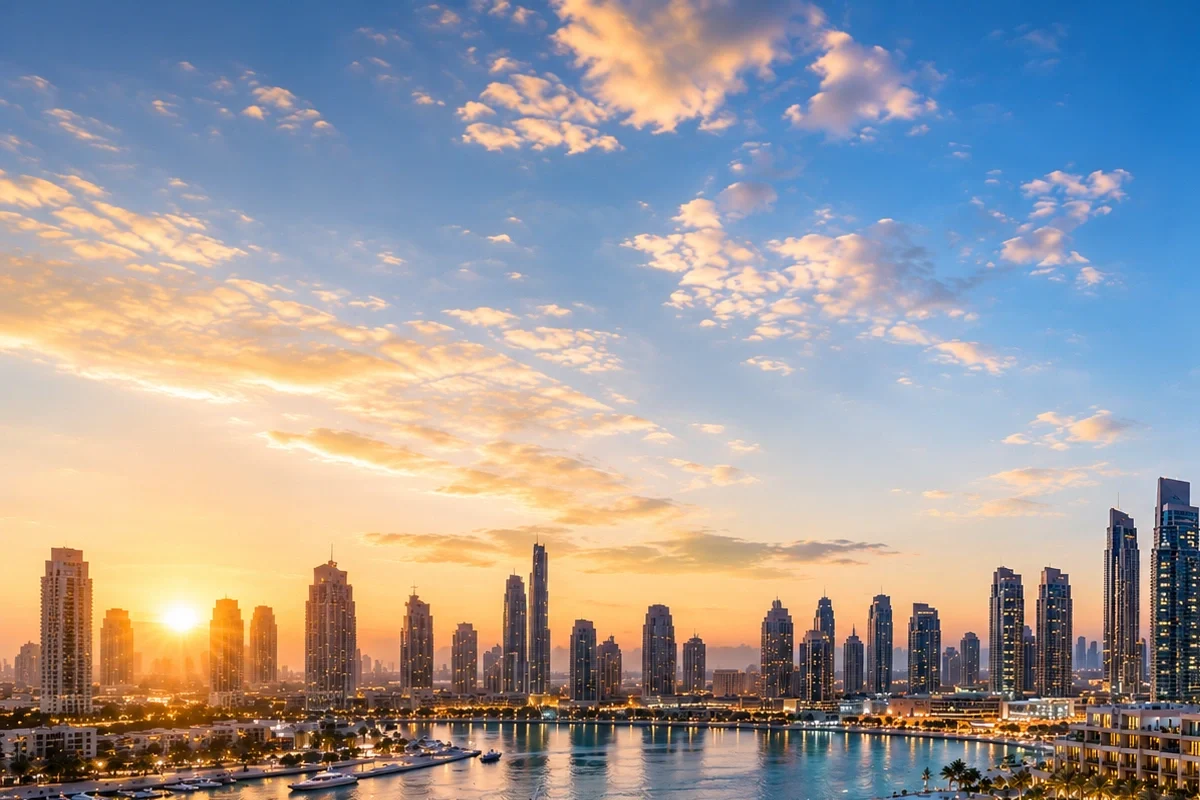
Table of Contents Dubai Real Estate Market Report 2026: Why Did Off-Plan Sales Hit a Record AED 73.4 Billion in Q1? Dubai’s real estate market just shattered its own record — and off-plan properties are leading the charge. Here is everything investors, buyers, and expats need to know about Q1 2026’s landmark performance. Q1 2026 at a Glance: The Numbers That Matter Before diving into the “why,” it helps to understand the scale of what happened in the first quarter of 2026: Metric Q1 2026 Figure Total market transaction value AED 176.7 billion Total transactions ~47,996 deals Off-plan sales value AED 73.4 billion (record high) Highest single-month sales ever AED 72.4 billion (January 2026) Off-plan share of transactions ~70% These are not incremental gains — they represent a fundamental shift in how Dubai property is being bought and by whom. So what is actually driving this surge? Why did off-plan sales in Dubai hit a record in Q1 2026? Dubai’s off-plan sales reached a record AED 73.4 billion in Q1 2026 due to a surge in major developer launches, flexible payment plans lowering entry barriers, growing international investor confidence, UAE Golden Visa incentives for property buyers, and a rapidly expanding professional resident base choosing ownership over renting. What Drove the AED 73.4 Billion Off-Plan Record? 1. A Wave of Major Developer Launches Late 2025 and early 2026 saw an unprecedented number of large-scale project launches from Dubai’s leading developers. High-profile launches across Dubai Marina, Downtown, Dubai Creek Harbour, and Jumeirah Village Circle created a pipeline of inventory that buyers moved quickly to absorb. Many of these launches sold out within days — or even hours — pushing transaction volumes to record highs before the end of January alone. The launch cycle has become self-reinforcing: strong absorption rates encourage developers to accelerate new releases, which in turn generate even greater transaction volume. This is a market running on genuine demand. 2. Flexible Payment Plans Are Lowering the Entry Barrier One of the most powerful drivers of off-plan demand is the evolution of developer payment plans. Structures such as 10/40/50 (10% on booking, 40% during construction, 50% on handover) and 1% per month post-handover plans have made off-plan properties significantly more accessible than ready units requiring full mortgage financing upfront. For a buyer looking at an AED 1.5 million apartment, a 10% booking payment of AED 150,000 is a far more manageable entry point than a 20–25% mortgage down payment on a secondary market property. Use our mortgage calculator to compare monthly costs across both options. This affordability structure is a long-term tailwind for off-plan demand — not a short-term trend. How do off-plan payment plans work in Dubai? Dubai off-plan payment plans allow buyers to purchase directly from developers with staged payments. A common structure is 10% on booking, 40% during construction, and 50% on handover. Some developers offer 1% monthly post-handover plans. This makes entry far more accessible than a full mortgage down payment on a ready property. 3. Shifting Buyer Profiles: Who Is Actually Buying? The Q1 2026 surge is not being driven by a single buyer type. Three distinct groups are converging on the off-plan market simultaneously: International investors from Europe, Asia, and the wider MENA region, drawn by Dubai’s zero capital gains tax, strong rental yields of 5–8% in key communities, and currency stability GCC residents and nationals increasingly viewing Dubai as a second home or primary investment hub amid strong regional economic growth End-users and expats already living in Dubai, many transitioning from renting to owning for the first time, supported by long-term residency confidence following the UAE’s visa reforms The investor-versus-end-user split has tightened meaningfully. More genuine owner-occupier demand is underpinning the market — a clear sign of structural depth and sustainable growth rather than purely speculative activity. 4. UAE Policy Tailwinds: Visas, Residency, and Reform The UAE’s policy environment has materially shifted the calculus for long-term property ownership. Key drivers include: Golden Visa expansion: Property buyers investing AED 2 million or more can qualify for a 10-year residency visa, directly incentivising purchases at premium price points Remote work and freelance visa schemes: Attracting a younger, globally mobile professional class seeking a stable regional base Strong tourism recovery and airlift growth: Reinforcing Dubai’s position as a global hub, supporting both short-term rental demand and long-term investor confidence Regulatory clarity: RERA oversight and escrow protections for off-plan projects have materially improved buyer confidence, making the market one of the most transparent and well-regulated in the region Can buying property in Dubai give you a residency visa? Yes. Dubai’s Golden Visa programme grants a 10-year UAE residency visa to property buyers who invest AED 2 million or more. The visa is renewable and covers immediate family members. It has been a major driver of long-term property demand from international and MENA-region investors since its expansion in recent years. Dubai Off-Plan Property Trends 2026: Key Areas to Watch Top Communities Driving Off-Plan Demand The communities consistently recording the highest off-plan transaction volumes in Q1 2026 include: Dubai Creek Harbour — Master-planned waterfront community with a strong developer pipeline from Emaar and compelling long-term capital appreciation Dubai Marina and JBR — Premium branded residences driving high average ticket sizes and strong international buyer depth Jumeirah Village Circle (JVC) — Dominant in unit volume due to accessible price points and consistently strong rental yields Mohammed Bin Rashid City (MBR City) — Luxury villa communities with significant GCC and international buyer interest Business Bay — Central location and improving infrastructure supporting both investor and end-user demand Dubai South / Expo City — One of the lowest-risk, highest-potential opportunities in the market right now, backed by world-class infrastructure, the Al Maktoum International Airport expansion, and a long-term government master plan that continues to deliver on its promises Explore all communities to see active off-plan listings across each of these areas. Is Dubai South a good place to invest in 2026? Dubai South is considered one of the lowest-risk investment areas in